
Displaying items by tag: Children's Summer Camp
Given the benefits of a sleepaway camp, it seems that all children should enroll. There are camps for almost all children, including those with special needs. However, there are certainly children who are not ready for an overnight camp experience. Some may not be mature enough to accept the separation from home. Though some camps accept children...
as young as six, not all children will be ready for camp at that age. Nor will the parents. One of the advantages to waiting is that a child can read and write more readily giving them letters from home to comfort them, and the ability to write letters home to comfort parents.
However, as parents know, chronological age is never a definitive marker. Some children are more than ready at six or seven, especially those who have an older sibling at camp, while some eight year olds still need a year or two before they are ready to handle the separation of a sleepaway camp experience. Three guidelines can help you to consider your childs readiness:
1) Has your child enjoyed other overnight experiences?
Many children eagerly sleep over at friends or grandparents homes, a sign of readiness. When a child is successful spending the night away, it’s a sign that he or she can function independently. However, if you’ve gotten middle of the night calls and had to pick your child up in the middle of an overnight stay, its an indication that he or she is not quite ready for overnight camp.
2) Has your child had other camp experiences?
It’s helpful if a child has attended day camp prior to going to sleepaway camp. At a day camp, children learn to move from one activity to the next, make new friends, and develop teamwork skills.
3) Is your child adaptable?
Going to overnight camp requires some flexibility, an ability to adjust to new situations, and a willingness to try new things. Though all children experience some period of adjustment, camp adjustment will be more difficult for the child who is fairly rigid and has difficulty in new situations.
Generally speaking if by 11 or 12 your child is still reluctant to go to camp, the time might come to give some gentle persuasion and insist that they go. Then encourage and guide to help make this transition easier for them.
However, as parents know, chronological age is never a definitive marker. Some children are more than ready at six or seven, especially those who have an older sibling at camp, while some eight year olds still need a year or two before they are ready to handle the separation of a sleepaway camp experience. Three guidelines can help you to consider your childs readiness:
1) Has your child enjoyed other overnight experiences?
Many children eagerly sleep over at friends or grandparents homes, a sign of readiness. When a child is successful spending the night away, it’s a sign that he or she can function independently. However, if you’ve gotten middle of the night calls and had to pick your child up in the middle of an overnight stay, its an indication that he or she is not quite ready for overnight camp.
2) Has your child had other camp experiences?
It’s helpful if a child has attended day camp prior to going to sleepaway camp. At a day camp, children learn to move from one activity to the next, make new friends, and develop teamwork skills.
3) Is your child adaptable?
Going to overnight camp requires some flexibility, an ability to adjust to new situations, and a willingness to try new things. Though all children experience some period of adjustment, camp adjustment will be more difficult for the child who is fairly rigid and has difficulty in new situations.
Generally speaking if by 11 or 12 your child is still reluctant to go to camp, the time might come to give some gentle persuasion and insist that they go. Then encourage and guide to help make this transition easier for them.
As parents we have to remember that as much as we love our children our goal is to prepare them to leave the home and be a productive part of society. Summer Camp is a basic part of the growth process. Try it this summer.
Camp Bean, All Things Woodsey from UCLA UniCamp on Vimeo.
Saw this video and when I watched it seemed to be what SNC is all about.
Looking for the best choice among countless summer camps can appear to be an almost endless task. Camp information is everywhere, especially on the world wide web. There are day camps and......
overnight campseverywhere in the world. If you and your child know have discussed what you want in a camp, you can make a successful choice.
Every imaginable kind of camp can be found in the variety of summer camps. Some are traditional and others are limited to certain areas of interest. If you study camp information carefully you can find the right camp for your child. Discussing ideas with your child can be a useful guide to choosing the kind of camp that will give the most to your childs life. If you want to choose an overnight camp the information needs to be considered and followed up on even more carefully.
If you compare camp information about all summer camps in the geographic areas you prefer, especially if you are looking at overnight camps, you will find a wide variation of offered facilities and activities. The web sites of specific summer camps will give you a starting place, but it will be up to you to ask questions and study the camp information with a critical eye.
Asking the right questions about summer camps once you have thecamp information in hand will make the difference for a successful search. Basic questions about license, accreditation, quality, camp history, time in existence, philosophy, personnel and facilities are your starting place. But the key to a great choice will be in the details. Can you contact references from campers and parents who have gone to that camp? How is the food? How are the sleeping facilities forovernight camps? What happens when its a rainy day? What are the rules about cell phones and computers? How will the camp personnel handle a medical emergency?
When you are just starting out, preparing the right questions before you study camp information can help you find the right camp from all available summer camps. The way you approach information aboutsummer campscan make all the difference to the eventual experience your child will remember all his or her life.
Summer seems a long way off, but now is the time to be looking atsummer camps to find just the right camp for your child. Remember that the best camps fill very fast. For that reason.......
Signing up far ahead of time is important. The first thing to do when selecting a kid summer camp is to look at your child’s needs and wants. Will they thrive in a sports camp or a general camp. What do they want from their summer? Skill building or building friendships?
Summer camps should be a complete departure away from teachers and a time for mentors to step in. The essence of the best camps are imaginative, experienced and quick witted people who staff them. These mentors shape up the milieu of the camp so that every camper brings life lessons learned when he or she returns home. The experience which is gained and the knowledge acquired in every case go a long way in shaping up the overall persona of the person a camper becomes.
Kids Summer Camp is a resource with more focus on arts and crafts with special regard to environmental consciousness. Kids go on from camp refreshed, delighted and full of experience when they return to regular classes in the fall. The exposure that summer camps offer a child will stay with the camper for the rest of a life as the wisdom that can only come from experience. How can parents with a good grasp of what is good for their kids find the right camp? The best place to search for obtaining precise information is of course the World Wide Web.
With a bit of patient research on the internet, you can easily lay your hands on some resourceful data. Parents might assume that if they are paying a higher rate for the kid summer camp that the child will return home with more education. They disregard the fact that the true meaning of summer camps is all about the experience. With the guided presentations of web program directors, the best traditional camps included have woken up to the archetypes involved in the whole process.
Parents ought to seek the best professionalism from persons representing summer camps. There is always a lot of apprehension and questioning for parents in terms of pros and cons their child will face in every social situation life brings. But the right kid summer camp is a good opportunity for every camper to socialize at a level which encompasses every facet of life.
We All know how wonderful summer camp is. But have you ever thought about what Swift Nature Camp looks like in February? A few days ago we were at a MN summer camp show and after that made our way up to camp. It was great....
Be sure to see the Movies
to see Super Tom. You might recall his back had been hurting last summer after his surgery. Well, Im happy to report that he seems finally to be on the mend. He has not been to his winter job of school custodian but will be ready for camp. YEA!

As you know the Midwest has been very dry this year with almost no snow. When we first arrived it seemed more like April with many bare spots around the bottoms of the trees. But, snow was covering most of the land and the lake. Giving us a chance to play.
As you can see from the movie I tried a new sport. I got out the water skis and put them on over my socks...it was very tight and then I hooked up to Super Toms 4 wheeler and off I went for a little skiing on the frozen lake. Look at my Hitch Hiker! It was much harder to turn than when you are in the water. Yet, it was fun to try something new. Much of the time we were in sleds being pulled. We tipped so many times yet it was very fun and seemed like winter even though it was near 40 degrees.
One of the most exciting time we had was when we woke up one morning and looked out the window to see two dog like creatures run from Picnic Island across to Sawtooth Isle. They looked like Wolves to me. Later that day we went for a hike to see if we could find the tracks and we did. That was so cool.
After a few days we left and that very night, the snows came and came and came. Tom reported that Swift Nature Camp was covered with over 15 inches of snow. Sadly we missed the real winter that finally came to camp. If you are ever up in the Northwoods in winter be sure to stop by camp and take a look, it is beautiful but kind of depressing with out all he campers there having fun.
As you know the Midwest has been very dry this year with almost no snow. When we first arrived it seemed more like April with many bare spots around the bottoms of the trees. But, snow was covering most of the land and the lake. Giving us a chance to play.
One day we walked out to Picnic Island just to see what was going on. It is a different place in the winter with no low plants so you can see almost across the island. We particularly wanted to go look at the Eagles nest. It seems that the winds from one of the storms destroyed the nest. However, we still saw eagles flying around so they are still nearby but we did not see where their new nest might be.
As you can see from the movie I tried a new sport. I got out the water skis and put them on over my socks...it was very tight and then I hooked up to Super Toms 4 wheeler and off I went for a little skiing on the frozen lake. Look at my Hitch Hiker! It was much harder to turn than when you are in the water. Yet, it was fun to try something new. Much of the time we were in sleds being pulled. We tipped so many times yet it was very fun and seemed like winter even though it was near 40 degrees.
One of the most exciting time we had was when we woke up one morning and looked out the window to see two dog like creatures run from Picnic Island across to Sawtooth Isle. They looked like Wolves to me. Later that day we went for a hike to see if we could find the tracks and we did. That was so cool.
After a few days we left and that very night, the snows came and came and came. Tom reported that Swift Nature Camp was covered with over 15 inches of snow. Sadly we missed the real winter that finally came to camp. If you are ever up in the Northwoods in winter be sure to stop by camp and take a look, it is beautiful but kind of depressing with out all he campers there having fun.
See Ya next Summer
Lonnie, Jeff & Forrest

So here it is a few days into summer camp and you miss your child. That’s normal. So you pick up tyour cell phone and start to call your child’s cell phone. Then it hits you, summer camp has a NO contact policy! Why would such a thing exist? To make the parents suffer? Well, maybe its much more than this.
Here is the secret, a large part of the magic of an overnight summer camp experience is being in a closed community that is conscious. Summer camp if done well totally immerses a child. They live camp with their camp friends, and become part of the story of camp. So how does a cell phone ruin this adventure. It butts into the “life of camp” and brings children the reality of back home. For this reason many directors discourage parents from calling their campers and seem even discourage visiting . Camp Directors want to provide “creative separation” which allow the children to develop a healthy sense of independence, in turn leading to a healthy sense of adventure. For many children this is their first time away from home and it is in a protected child centered environment that only leeds to good results. Most camp directors want parents to see everything that happens at camp but that is not possible if you buy into the giving your child a secure freedom. So some have gone to daily publishing photos on their websites, newsletters, periodic Tweets , or videos. Some Directors have tossed off technology and encouraged each parent to call the office and ask about their child. Remember most camp Directors want to help you after all we are parents too.
This cult we call summer camp has its positive impact soon children forget about the cliques at school, their concerns about grades, and what their friends are doing and wearing.Summer Camp will replace these things with campfires, caring for others, singing in the dining hall, trying new things and increase their growth as a paddler, a rider, a gymnast, and a climber. Even more, they will be replaced by a community of friends
This cult we call summer camp has its positive impact soon children forget about the cliques at school, their concerns about grades, and what their friends are doing and wearing.Summer Camp will replace these things with campfires, caring for others, singing in the dining hall, trying new things and increase their growth as a paddler, a rider, a gymnast, and a climber. Even more, they will be replaced by a community of friends
Okay So you don’t buy it! You need to be in touch with your child. You know you are a helicopter parent. No need to fret.? There are a huge variety in the ways different camps help parents and campers stay in touch. Some camps allow campers to carry cell phones, some allow access to email. Many camps have visiting days. Every camp is different so be sure you ask the director how communication happens before you enroll in camp. This may also be a growing time for you ... getting you ready for those not to far off college days
Summer camp is a long tradition. In this video Lucile Ball plays a camp cook.
Fortunately, for all of us our cook Michelle never has days like these.
Fortunately, for all of us our cook Michelle never has days like these.
This day and age no longer does camp food mean junky food. Some of the best camps have Chiefs that work dilligently with fresh foods, vegetables and fruits. Lobster is even on the menu at some some camps... But not at Swift.
Watch more of this Lucy Show Here
Watch more of this Lucy Show Here
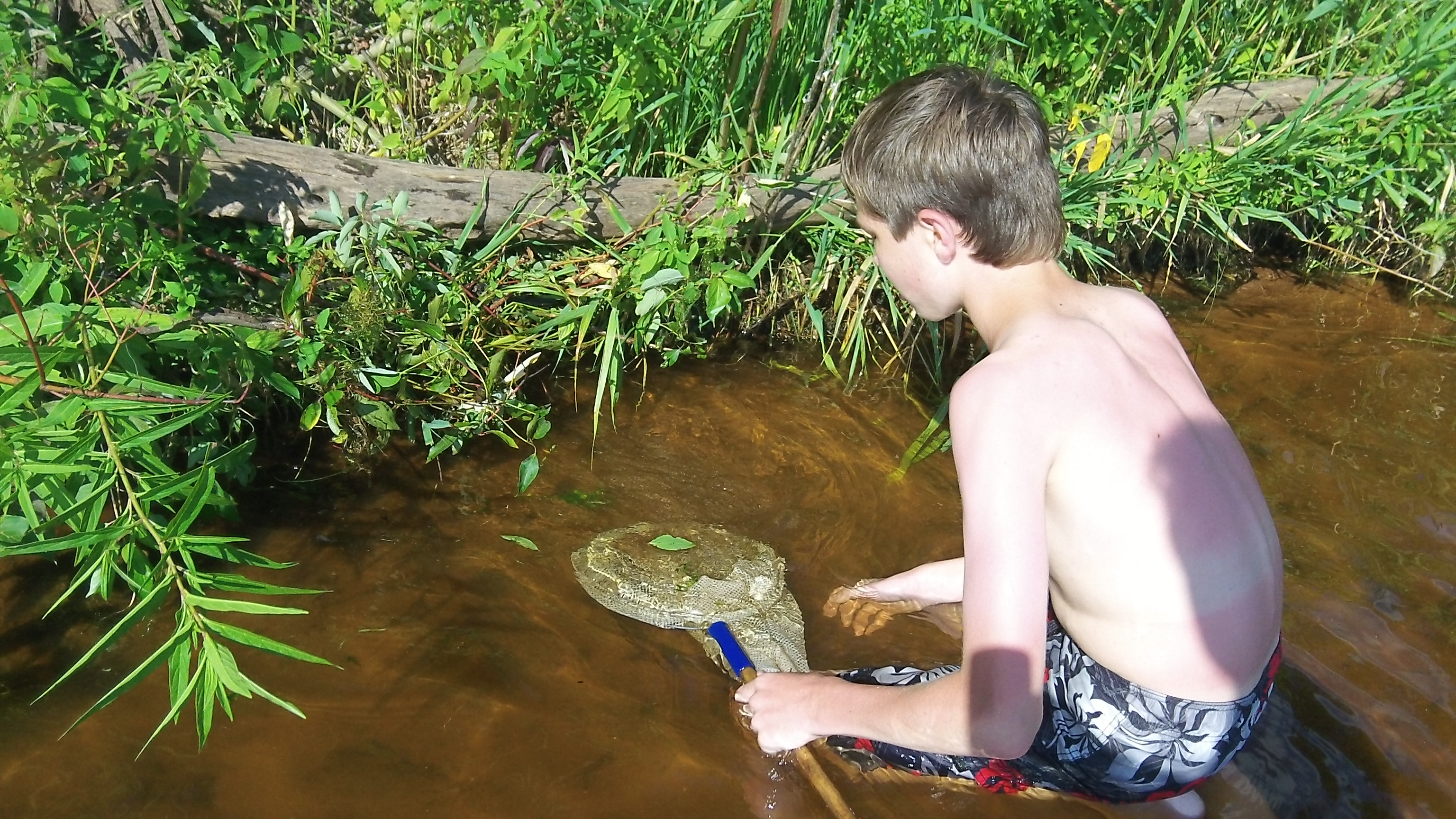 Recently I was poking around the web and I saw this article about the benefits of choosing a science summer camp program over some other type of summer camp. Being that this is what Swift Nature Camp does, I found it extremely informative and I hope you will too.
What activities do you associate with summer camp? Maybe making lanyards, tie-dying shirts, playing capture the flag, swimming, putting on a talent show, or painting macaroni?
What about science?
Science Summer Camps and programs let students get close to areas of scientific inquiry in a way that isn't always possible in the classroom.
Does science come to mind when you think about summer camp? All of our campers know It should,
You might be surprised to learn that hundreds of camps and programs across the United States offer science as part of their summer-fun lineup—and in support of an increasing committment to supporting and strengthening science, technology, engineering, and math (STEM) skills.
Like all other summer camps, science-related summer programs are an American right of passage: hours of fun with friends, away from parents, no textbooks, no tests, no homework. The difference is that a summer science camp also offers students of all ages an opportunity to reallyexplore science in all its hands-on, fun, goopy, messy, glory, without the burden of needing to know the 'right' answer for Wednesday's quiz.
Science camps come in a wide variety of formats. There are day and residential camps focusing on every aspect of science and engineering you can imagine: robotics, chemistry, the environment, zoo animals, architecture, space science, and dinosaur fossils, to name just a few! These programs use fun and play to help teach and introduce science and engineering concepts. For example, a week-long day camp focusing on amusement park physics might have kids exploring centripetal force, and kinetic and potential energy, while riding real amusement park rides and building their own mini versions from LEGO blocks, buckets, string, or foam tubing. When done right, science camp is a combination that is super fun and engaging, and fosters learning and creativity.
Why attend a science camp?
The advantages of attending a science camp or program can be summarized by a simple equation: Summer + Camp + Science = 3x Fun + Real Learning.
Science camps fall under the umbrella of what is commonly called informal science learning. Recent studies show that informal science learning is one of the most effective ways people learn science. Students who participate in these types of activities are more likely to have an above-average understanding of science, and pursue science-related careers.
For younger children, science camp can introduce them to many different areas of science and give them the confidence and inspiration to embrace science at school. Older students, who are already interested in science, may use science camp as a way to explore what a specific science-related career would be like, or to meet mentors and role models in the field. Such connections could lead to other opportunities, like internships, or become a featured event on a resume or college application.
For all students, science camp can be the opportunity to explore a branch of science that might not be available in their school, like marine biology or aeronautics, or to cover a topic more in depth than they'd otherwise be able to.
How do I choose a summer science camp or program?
Through innovative hands-on activities and demonstrations, students can explore a range of scientific fundamentals and areas of science at summer camp, from chemistry and microbiology to aeronautics, electronics, and computer science.
Choosing a summer science camp is similar to choosing any other type of camp. You have your usual considerations about cost, distance from home, and amount of time, along with the question of finding the "best fit." For science camps, the "best fit" often boils down to figuring out what science topic(s) are of interest and finding a camp that does a good job of implementing those.
Figure out what science topics are of interest.
- Older children might already have a clear preference. Perhaps they're keen on video games and would love to go to a camp where they could design and program one. Or maybe they're into hiking and wildlife and are looking for an outdoor experience as a junior park ranger. Their hobbies and reading choices are often a good indicator of their interests.
- Younger children might not yet have a clear preference. If they don't, then look for camps that offer a wide variety of science and engineering topics for them to explore. For example, a day camp that has a new science theme every week, or a balance camp that has a blend of science, arts, and physical activities.
Determine the level of "academics" you want.
- Science camp should always be fun. A good science camp will allow students plenty of time to do hands-on exploration. This is part of the informal component. How much additional formal education a science camp has varies. Programs that incorporate lectures from distinguished professors or professionals might be appropriate, inspirational, and informative for older students who are interested in a specific field. Younger students are more likely to benefit from group activities, projects, and interactions with informed camp counselors rather than lectures.
Search for camps that fit your needs.
Once you know the range of science topics you'd like the camp to cover, the level of academics, the general geographic location, and the time and money commitments that are right for your family, you're ready to start searching.Cogito and The Connectory are two great national science camp directories and a fantastic place to begin your search.
-
Local parenting magazines and websites might also have lists of camps in your area.
-
Science museums, zoos, aquariums, planetariums, and state or national parks are also great resources, as they often run their own camps and/or link to science camps with similar interests.
-
Many colleges and universities also run summer science camps. A simple search for "summer science camp" on a local academic institution's website is a good way to find these.
-
Simple web browser searches can also turn up a wealth of information.
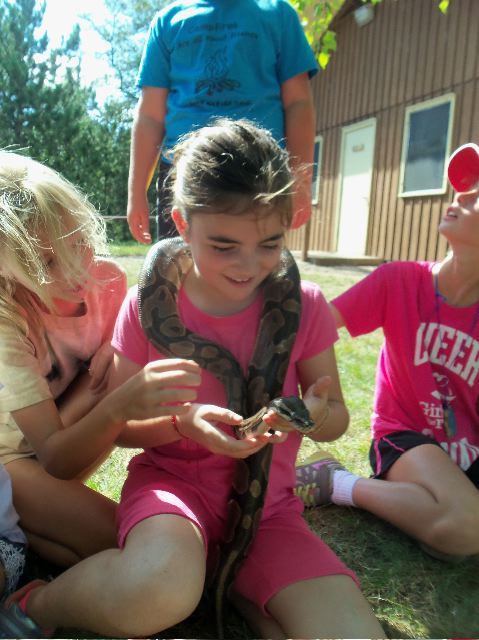 Make sure you choose a camp or program with qualified counselors.
Once you've located some camps that meet your search parameters, you should do some legwork to make sure that the counselors—the people the campers interact with all day long—are knowledgeable about science. For example, a knowledgeable counselor can transform a simple day of splashing in the creek into an adventurous treasure hunt for local plants and animals, andincorporate substantive and engaging lessons about food chains and the interconnectivity of different habitats.
Ask the camp or program director questions aimed at making sure the counselors have had ample formal training in the subject area(s) and excel at explaining the science in an engaging, age-appropriate manner. Ask the camp or program director questions aimed at making sure the counselors have had ample formal training in the subject area(s) and excel at explaining the science in an engaging, age-appropriate manner.
Register Early!
- While summer might seem a long way off, it's time to start thinking about summer camps. Many top camps offer "early bird" registration discounts in the January-March timeframe (check camp websites for specific camp deadlines).
Find Out More
More information about the educational benefits of science camps and other informal education opportunities can be found here:
- National Research Council of the National Academies. (2009). Learning Science in Informal Environments: People, Places, and Pursuits. Retrieved December 1, 2010, from http://www.nap.edu/openbook.php?record_id=12190&page=1#
- Folk, John H., and Dierking, Lynn D. (2010, November-December). The 95 Percent Solution: School is not where most Americans learn most of their science. American Scientist. Volume 98, Number 6, Page: 486. Page: 486
- Summer Camp Advice- Empowering Parents to Make Informed Decisions
Charter into new waters this summer. For many kids, coming to camp is a big adventure! One of the biggest challenges is swimming in a lake. We all have had experience swimming in a nice blue pool. There is security in being able to see the bottom of the pool. Lake swimming is to enter the wild water and to cross a border. You pass the lakes edge and you break the surface of the water itself. In doing so, you move from one realm into another: a new realm of freedom, adventure, magic and occasional danger. Watch out for those Turtles and Fish!
Swimming in open water is a new experience that's not to be feared, but embraced. Once you feel comfortable swimming in a lake, the world will open up to you and wherever you see water you will see a new adventure waiting. Swift Nature Camp has over 1500 acres of water right out your cabin front door.
Swimming in open water is a new experience that's not to be feared, but embraced. Once you feel comfortable swimming in a lake, the world will open up to you and wherever you see water you will see a new adventure waiting. Swift Nature Camp has over 1500 acres of water right out your cabin front door.
At Swift Nature Camp we have a wonderful swimming area full of fun toys, not to mention Wally (the water trampoline) & Sally (the slide). "Free Swim" is one of the most anticipated times of the camp day, but "Instructional Swim" is there to help give you build the confidence for those free swims. You can even earn American Red Cross Swimming levels
permalink=”http://www.swiftnaturecamp.com/blog”>

Summer school, all-year academic school, summer sports programs, and electronic media have become the elements of children’s summer activity in recent years. Children are kept occupied with indoor play activities. The playground has come indoors and narrowed in focus. The flickering light of computer monitors and handheld game screens has replaced sunlight and fresh air.
permalink=”http://www.swiftnaturecamp.com/blog”>
permalink=”http://www.swiftnaturecamp.com/blog”>
Modern times have come to call for change in the way we prepare our children to live life in the world they will inherit. Our kids simply must find a way to reconnect with our natural environment as they grow up. The global effort to restore ecological balance will need aware participants at every level. Environmental awareness always begins with a personal sense of connection to nature.
Parents can bring back awareness of nature to a child’s experience. Summer camp has been around since the 1920’s and is still an effective way to bring back balance to a child’s life. Trained staff members of modern summer camps can guide kids back into an alliance with nature through the pure fun of camp activities. The challenges of summer camp activities are fun rather than stressful, making them even more effective for learning how we are a part of nature.
Most directors of quality modern summer camps have developed policies that encourage camper experience that reconnects the camper to nature without sacrificing the great fun and memorable friendships that are the classic benefits of summer camp. One such policy is simple and sweeping: beginning by not permitting cellular phones, BlackBerries, pagers, radios, iPods, cassette or CD players, laser pens, TVs, Game Boys or digital cameras. Children forget that life is possible without these ubiquitous accessories. Not including them in the camp experience brings children a revelation: they find out that they can actually have fun and enjoy themselves living without those things.
A camp that combines traditional camp activities such as hiking, canoe trips and horseback riding with modern ways for campers to learn about nature will succeed in instilling environmental awareness in campers. Learning is potentially much more effective because it is associated with fun and friendships.
Summer camps have added modern awareness of health and nutrition to the established means of meeting physical needs such as good hygiene, exercise, and teamwork. Modern summer camps can offer a healthy menu that still includes foods that kids enjoy. A salad bar at lunch and dinner that includes a choice of fresh vegetables and salads is an example of this. Vegetarian meals should be made available to campers who have that preference. Fresh fruit can be made available all day for snacks. Nutrition is a part of a modern summer camp’s “green” approach to total wellness that includes providing means to develop of a camper’s positive self esteem, build friendships, and promote having FUN.
When they are discussing a possible choice of a camp with a camp’s directors, parents should ask about the sustainability of that camp’s own day-to-day ecological practices. How do they conserve energy and water and recycle? What is the camp doing to take responsibility for its own environmental footprint? Learning is a combination of information and participation. If a summer camp’s practices don’t reflect their talk, campers aren't going to absorb important messages about their own relationship with nature. Summer camps are becoming aware of the effects they are having on their immediate environment. Camp directors should be looking at the big picture and showing care for the earth as well as their campers.





A Wisconsin DNR Property leased by Swift Nature Camp