All the latest News From SNC
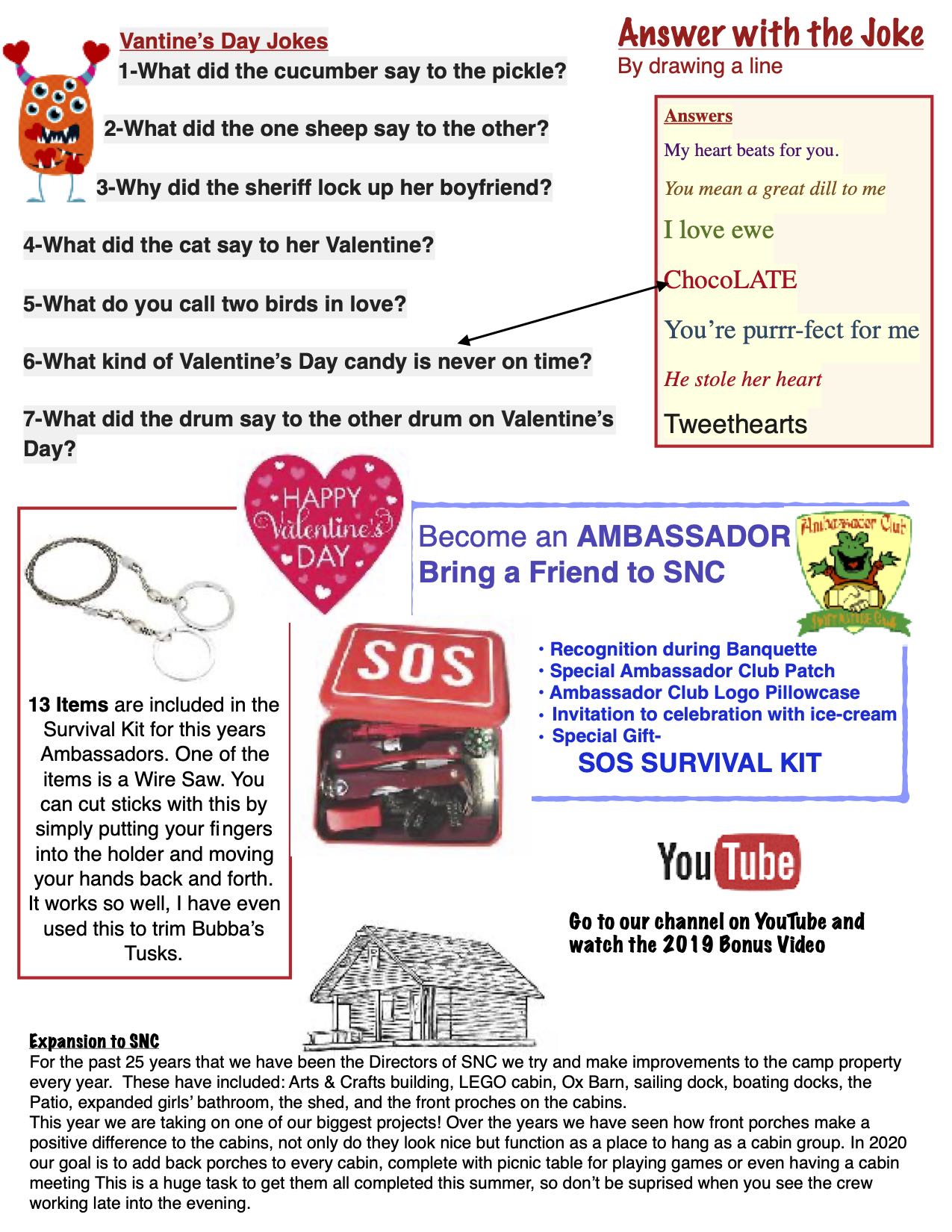
At Swift Nature Camp our campers each summer take a hiking trip out into the woods. Despite the weight of thier packs, the bugs or even rain in the tent often campers come back feeling good about thier trip. I always thought that this was due inpart to just being back at camp in a dry cabin and a comfy bed. Yet, it turns out that science has more to say, turns out outdoor hikes have a positive effect on our moods, minds and relationships. Here is a recent article I stumbbuled accross.

Five Ways Hiking Is Good for You
Hiking in nature is not only good for our bodies, it’s good for our moods, our minds, and our relationships, too.
BY JILL SUTTIE | FEBRUARY 14, 2020I’m a hiker—“born to hike,” as my husband likes to joke. It does my heart and soul good to strap on a pack and head out on a trail, especially when I’m alone and can let my mind wander where it will.
The experience of hiking is unique, research suggests, conveying benefits beyond what you receive from typical exercise. Not only does it oxygenate your heart, it helps keep your mind sharper, your body calmer, your creativity more alive, and your relationships happier. And, if you’re like me and happen to live in a place where nearby woods allow for hiking among trees, all the better: Evidence suggests that being around trees may provide extra benefits, perhaps because of certain organic compounds that trees exude that boost our mood and our overall psychological well-being.
Hiking in nature is so powerful for our health and well-being that some doctors have begun prescribing it as an adjunct to other treatments for disease. As one group of researchers puts it, “The synergistic effect of physical activity and time spent in nature make hiking an ideal activity to increase overall health and wellness.”
Here is what science is saying about the benefits of hiking.
1. Hiking keeps your mind sharper than many other forms of exercise
Being a professional writer, I sometimes have trouble justifying taking the time to hike in the middle of my workday. But research suggests that hiking doesn’t just feel good, it might also keep my brain in top shape.
All exercise is good for us. Whether it’s using an elliptical trainer, riding a stationary bike, or walking on a treadmill, getting your heart rate up and working out your lungs keep you feeling younger and stronger. Exercise also helps your brain thanks to the extra oxygenation that comes with it.
But hiking involves something many other forms of exercise don’t: trails. That means it requires navigating in a world that’s not totally predictable. Slippery dirt, overhanging branches and hidden obstacles, trail markers, and wild animals crossing your path—all of the things you might encounter on a trail require micro- and macro-adjustments to your route, which is good for your brain.
As Daniel Levitin explains in his book, Successful Aging, hiking exercises the part of your brain designed to help you navigate through life—for example, the restrosplenial cortexand the hippocampus, which aids in memory, too—which is why hiking not only helps your heart, but helps your mind stay sharp, as well.
2. Hiking helps to keep you calm and happy
Exercise in general can be a great stress-buster. But what sets hiking apart from other forms of exercise is that it’s done outdoors in a natural setting. While other physical activities also rely on nature—for example, river rafting or backpacking—those often require more time and commitment than a simple hike and are less accessible to many people. Hiking can happen almost anywhere—from a city park or public garden to a mountain trail—and give you that dose of nature you need to stay happy.
Research is quite clear on the benefits of being in nature while exercising. Studies have found that, compared to walking in a cityscape or along a road, walking in green spaces helps us recover from “attention overload”—the mental fatigue that comes from living and working in a world where computers and cell phones are a constant distraction.
Being in nature is calming, too, and studies have found that people who spend time walking in nature are less anxious and suffer less rumination (thinking about the same worries or regrets over and over again), which should help protect against depression.
While it’s not totally clear why nature provides these psychological perks, researcher Craig Anderson and others have found that being in nature encourages feelings of awe—a state of wonder coupled with a sense of being small in the presence of something bigger than yourself. Awe is a powerful emotion that has many benefits, including improving your mood and making you feel more generous.
3. Hiking helps your relationships
It may be obvious that hiking is good for our physical and emotional health. But there is mounting evidence that it helps our relationships, too.
One reason is that many of us hike with other people, and exercising together can produce special feelings of closeness—and a sense of safety. I’m sure when a friend of mine recently fell on a trail and severely fractured her ankle, she was glad to have company to help her hobble down the mountain for help. But, even in less dire circumstances, having a friend along can be a lovely way to connect with another person in a setting free of other distractions.
In one study, mothers and daughters who spent 20 minutes walking in an arboretum (versus a shopping mall) not only showed better attention during a cognitive task, but also had improved interactions with each other, according to independent raters. Specifically, they demonstrated more connection and positive emotions and fewer negative emotions after walking in the natural setting. Other research suggests that exposure to nature can help our relationships by making us more empathic, helpful, and generous.
What about hiking alone? Personally, I’ve often found that hiking alone helps me in my relationships, likely for all of the reasons above—it helps me reduce my stress, refreshes my depleted attention, and produces awe. And, when I’m feeling good, those effects spill over into my interactions with others once I return from the hike.
For anyone who spends a lot of time caregiving for other people, it can be rejuvenating to let go of that responsibility for a bit and take to a trail. After all, it can’t help but refresh you when you give yourself a break, making you more emotionally available to others afterward.
4. Hiking can increase our creativity
I’m sure I’m not alone in finding that walks in nature let my mind wander freely in creative directions. In fact, I’ve written many of my songs while hiking on a trail, lyric ideas bubbling up from some unconscious place when I’m not deliberately thinking.
Though we often read about philosophers or artists who’ve found creative inspiration in natural spaces, science is just beginning to document the connections between being in nature and creativity. David Strayer and his colleagues tested young adults in an Outward Bound program before and after they spent three days hiking in wilderness, and the participants showed increased creative thinking and problem-solving after the experience. Other studies have found connections between creative thinking and nature experiences, too, although they weren’t focused on hiking specifically.
Some scholars believe that these benefits for creativity have to do with how natural settings allow our attention to soften and our minds to wander in ways that can help us connect disparate ideas that are swirling around in our minds. Others suggest that the spaciousness and unpredictability in natural scenery somehow enhance creativity. Whatever the case, if being in nature increases creativity—which is tied to well-being—it might behoove creative types to spend a little more time on a trail.
5. Hiking helps cement a positive relationship with the natural world
Besides being good for us, hiking may also help the world around us. After all, if we have the stamina to walk places and cover longer distances, we could use cars less and reduce our carbon footprint.
Beyond that, hiking benefits our planet indirectly, because it increases our connection to nature. Developing a positive relationship with the natural world can help us to care about its fate, making us more committed to conservation efforts. At least one study has suggested that when we have a personal connection to nature, we are more likely to want to protect it. That means experiences in nature—like hiking—can be mutually beneficial, helping people and the earth.
This all goes to show that hiking may be one of the best ways to move your body, and I, personally, have recommitted to hiking regularly in the new year. Instead of spending all day every day in front of a computer, I’m taking time to walk outside—even if it’s just for 15 minutes. And I’m definitely noticing improvements in my mood, creativity, and relationships, as well as a growing sense of spiritual connection to the natural world.
So, grab a water bottle, a backpack, and, if you want, a friend, and head out on the trail. You won’t be sorry you did.
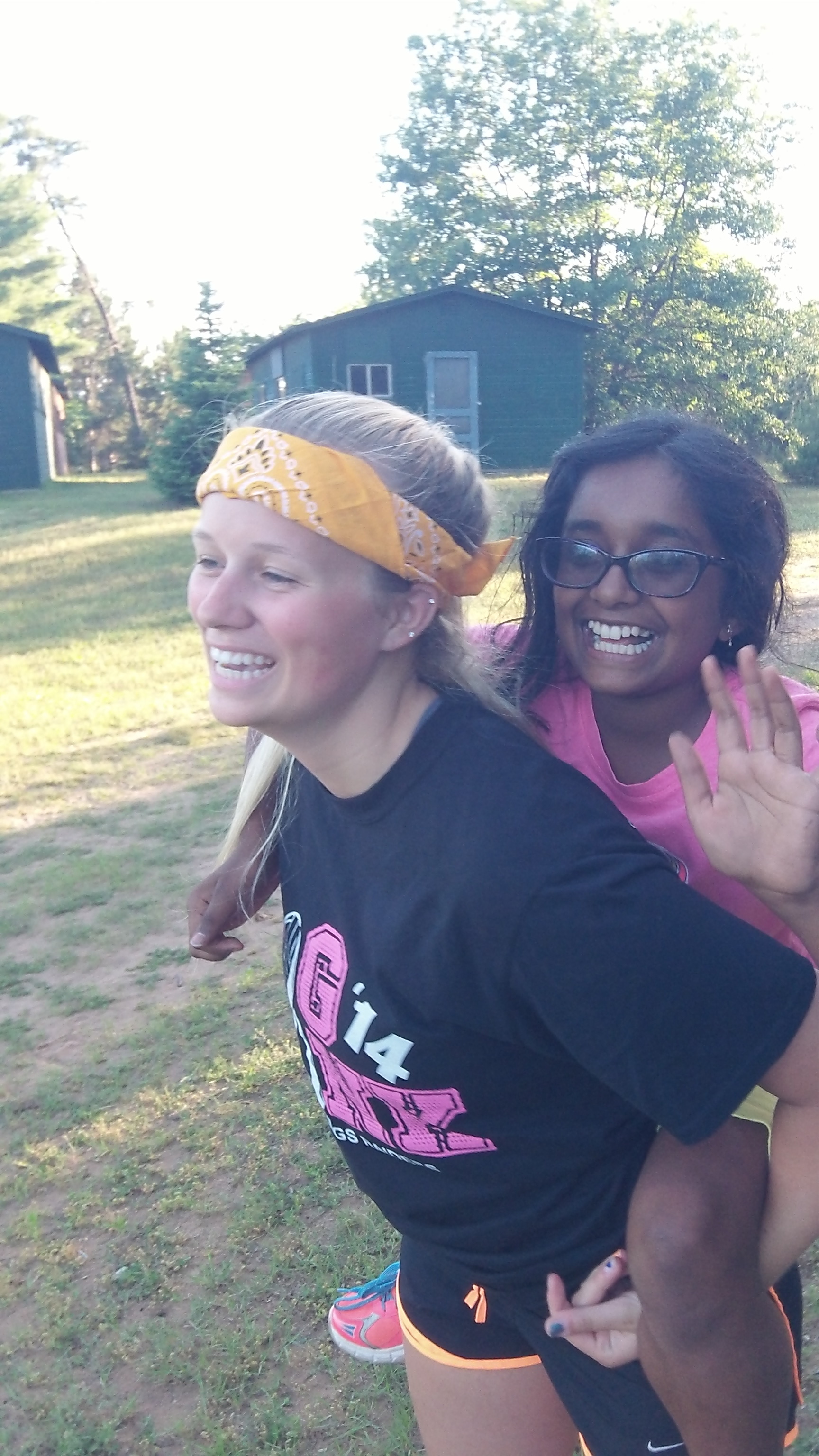 As a camp director in the camping industry for nearly 1/2 of my life I constantly ask my self what are the positive benefits we provide to children. Oh sure, we play out side and are away from technology and that is all good but thier must be more. At Swift Nature Camp we focus on nature and science studies so I have always believed that when children come together with a common interest like animals they build greater bonds. Kinda like a sports team for those kids who are not sportsy. A few years back I had the pleasure to meet Niambi and hear about the specail work she was doing at her summer camp. It was at that point that it became clear that all camps help build acceptance of others and a closeness between cultures. Below is a recent article she wrote concerning the impact summer camp can have on all of society.
Fear Interrupted: Reframing Cross-Cultural Narratives at Camp
Several years ago, when I directed my camp program specifically for African- American teen girls (Camp Butterfly), there were many memorable moments.
But one in particular has been etched in the recesses of my mind since the day it occurred. The event happened during one of our summer sessions; it involved a young 13-year-old girl named “Lea.”
During the day, Lea got along with all the other girls, was outgoing, and seemed pretty typical on the surface. But every night she would wreak havoc in the cabin. She picked fights with the other girls, was disrespectful to her counselors, and refused to go to bed. At first glance, it appeared that she suffered from some nocturnal Dr. Jekyll and Mr. Hyde syndrome. As we gained her trust, we were able to uncover the truth. Lea was afraid to go to sleep because nighttime had proven to be the most unsafe time for her. She had been in a foster home where her bed was positioned right next to the bedroom door. This made it easy for her older foster brother to silently enter the room at night, undetected by her sleeping younger sister. He would kneel by the side of her bed and sexually violate her. We learned that this had been a nightly ritual for almost three months when she was 11 years old until she and her sister were reassigned to a different foster home due to other circumstances. She had never shared the truth of her horrific past and wasn’t even consciously aware of its effects on her nighttime behavior. At camp, her assigned bed was close to a door. She complied during the day but was terrified at night. She picked arguments with the other girls to keep the lights on.
Fortunately, she had a close-knit group of girls and counselors in her cabin. Lea was finally able to share the stories of her past, and, as a group, they focused not on her behavior but on what was driving it. Because she was in a cabin (and camp) with other girls who looked like her, her nightly terror and verbal assaults on the other girls and staff were not deemed to be racially motivated. But I have to be honest, I often wonder if she had been in a cabin where she was the only black girl, would her behavior have been associated with the color of her skin?
I have consulted with camps which, in their efforts to become more diverse, recruit black youth and counselors, dispersing them among different groups within the campus to diversify the camp experience. When incidents or misunderstandings occur, it is effortless to hit our internal default buttons and view them through a black-and-white lens. For many white youths (and counselors), camp may be the first time they have been in a social/ work setting with blacks and vice versa. If Lea had been in a cabin with primarily white girls, and potentially the only person of color, I can only imagine the stories that might have been created around the incident. Given past societal experiences, Lea might have been sent home for being a “disruptive black girl” if she didn’t have staff available with whom she felt safe to explore the truth and who could see beyond the color of her skin. Her loud, aggressive behavior at night could have been deemed “typical” in the minds of counselors and campers who had no prior social connections with black people outside of camp. The unconscious lens of prejudice and implicit bias could have become a considerable barrier to complete acceptance, empathy, and compassion for Lea.
With all the injustice and racially motivated discord that continues to happen in the world, every story we hear, witness, participate in, or create, we shape through our own pain and projection — or through our real power and sense of possibility. Camp creates a beautiful refuge from the distractions of the outside world and has the potential to reconnect us with our inner worlds through nature. The challenge is we bring our stories with us. We carry them in our hands, in our minds, in our feet, and in our hearts. Like tiny fibers, each coded piece of data is like a letter; together they form words and sentences about who we are. Those sentences are then strung together to form paragraphs and then whole stories of who we are — or more accurately — who we think we are (and who we think others are as a result). Sometimes those stories play over and over in our heads like song lyrics. And I suppose, when we feel safe, we speak our stories out loud so that we can sort them all out — and then be open to really hearing others’ stories.
How can we short-circuit our thoughts and bypass the stories we carry about others that are based on fears and often lead to generalizations about entire cultural groups?
- Make sure your social circles outside of camp include people from diverse cultures and backgrounds. We are less likely to see the behavior and actions of one individual as a representation of an entire group if we have formed meaningful relationships with people from a variety of ethnic and cultural groups outside of camp. Without those meaningful relationships, it is easy to unconsciously fall prey to seeing them through the lens of stereotypical assumptions rather than their true personalities.
- Be intentional. Racism is real. We have all been affected by its influence. It is embedded in our psyches, whether we are conscious of it or not. Color is the first thing we see, and some never get past it in creating meaningful relationships. However, we can’t act as if those cultural markers don’t exist. We must see color and then intentionally cultivate relationships that move beyond it. When we do, we can collectively experience aspects of our humanity that extend far beyond our ethnic groupings and can bind us together heart and soul. When we see each other only through the lens of our external colors and cultural representations, we miss out on opportunities for more in-depth understanding, compassion, and empathy for one another.
- Invest in diversity, equity, and heart-centered inclusion work — both at camp and beyond. Racism poses a continual assault on our senses. It is designed to divide us, and we all carry unconscious bias, blind spots, and pain triggers. It is our job to heal those ancestral footprints that are deep inside of us. We can’t transform what we are unwilling to see and feel. So we must look honestly at our biases and prejudices. They can be invisible walls that prevent our campers and counselors from showing their authentic selves. Or they can become bridges that encourage their authentic selves to be on full display.
- Be vulnerable and brave. If you find yourself in a situation where a counselor or camper is from a different culture or ethnicity than you and their default setting is stuck on some painful memory, trauma, sadness, or fear — causing destructive behavior — what do you do? Use your camp wisdom. Don’t allow their current attitude to become a culturally stereotyping story in your mind. Face it with compassion. See the humanity in the individual. Whether you are able to figure out what is causing the underlying pain or not, listen, empathize, and perhaps offer a different perspective. You likely will build bridges, create smiles, and lift spirits. In my experience, each time I open my heart and soul to someone who doesn’t mimic my perspective, my heart expands.
Lea doesn’t represent every black girl’s experience in our society. Unfortunately, sexual assault is something experienced by many young people across cultures. It doesn’t by any means define the person, but it is part of far too many of their stories. When their behavior isn’t perfect, it is easy to view others through the lens of our implicit biases. When we become aware of our own stories and triggers, we can interrupt the patterns of separation and fear. As we bind ourselves together heart to heart, we create an opportunity to reframe the stories we tell ourselves about different cultural groups. We then see and experience our humanity together.
It is when we can disrupt our patterns of thinking and disassemble the stories within us that camp actualizes the collective vision of many: to be a safe place to enrich the lives of children and adults. But we can’t get there if we are too afraid to tell each other the truth and see each person as an individual with a rich culture, and not a representative of their entire cultural group.
Camp has an opportunity to assist the world in writing a new narrative. The only way for us to truly break down our cultural barriers is for us to be in relationship with each other — even when doing so is complicated.
Cultural aha moments at camp often live beyond the summer. While the shine of overcoming fear and bias experienced at camp may be tested when a camper or counselor is back in the real world, they will remember their camp stories — where they felt loved, accepted, and respected. Those stories of your compassion will feed the flames of change. When people from different cultures interact, we can always learn something valuable. We see that we are connected, that our fates are bound together. We are all part of one tribe. The Human Tribe. Together, let’s interrupt the fear and create some new stories across cultural lines.
 Learn all the latest about summer camp 2020
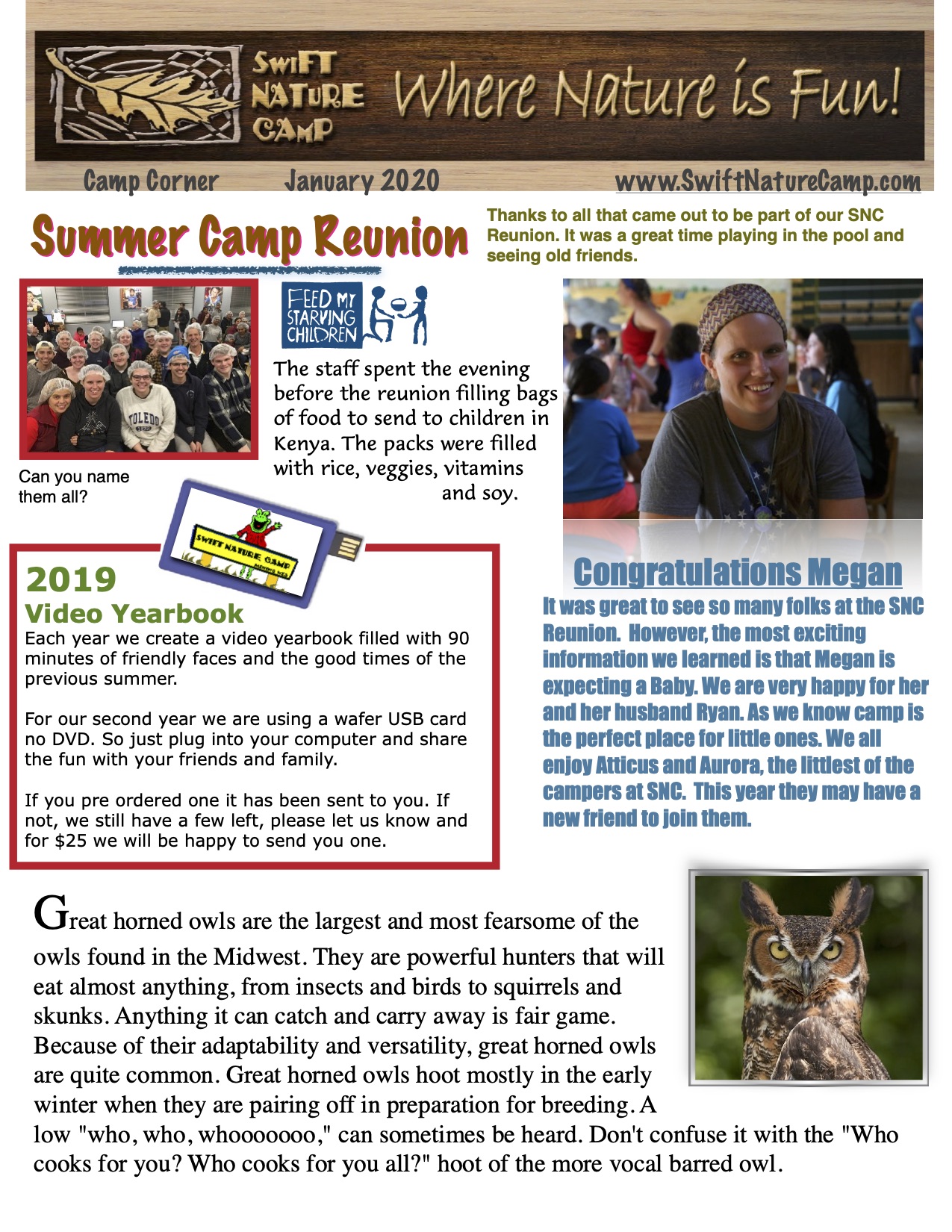
Camp Newsletter & Reunion Information
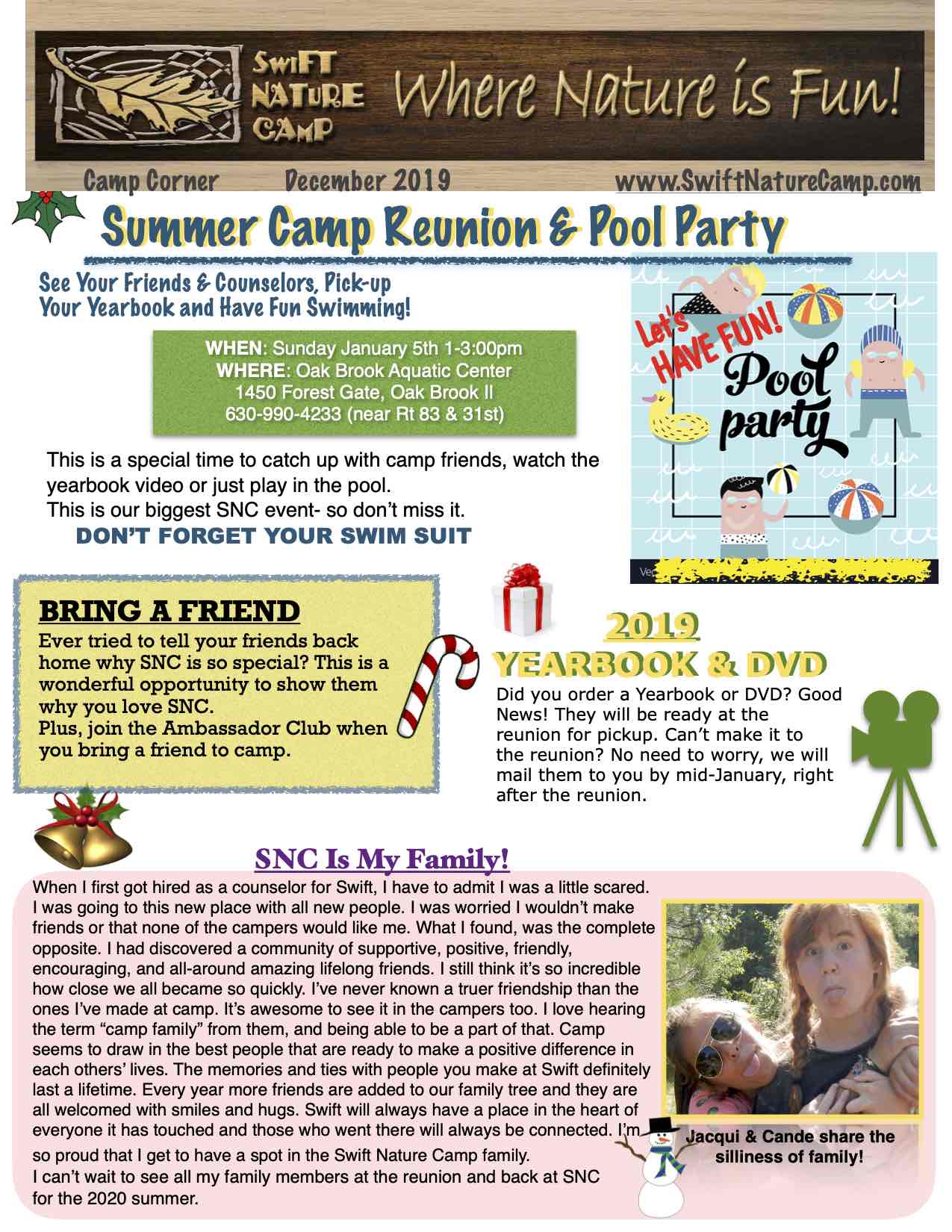
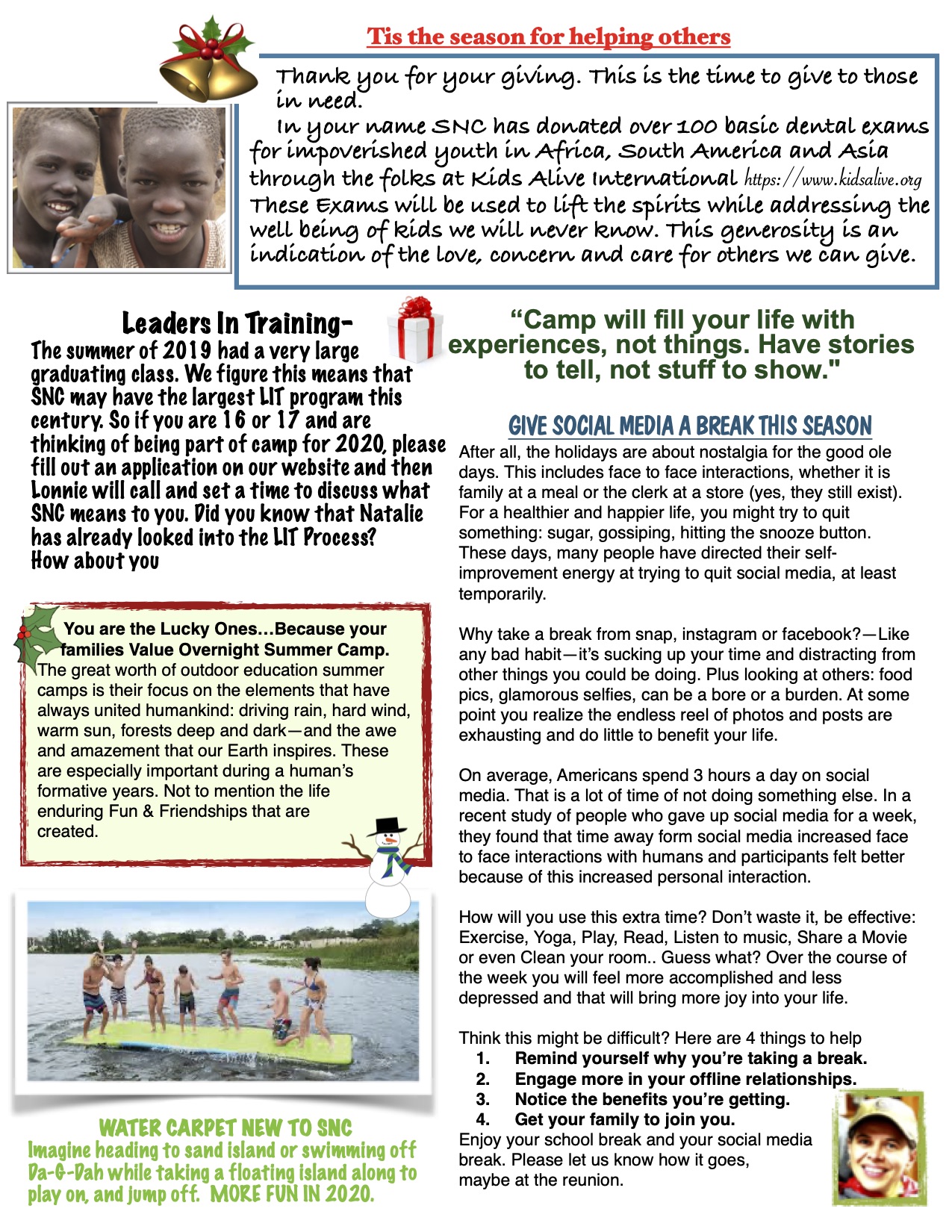
Recently, I was wondering why after 25 years of overnight summer camp we are still relavent to society. Of course, it came down to relationships in particular or camp staff. They are a great bunch of young adults that come to camp for all the right reasons and the right mindset. Then I ran accross this article by Mike McClary and it made things much more clear. Summer camp is a place where everyone is valued and we are all held to a higher standard. A standard that is not about ourselves as much as it is about others. When creating this environment it requires all agree to this mindshift. Camp is a much easier place to have this happen than out in the world. In the past I have asked staff why they return to camp and I have often heard "Camp makes me a better me". When you have staff feeling this way it is bound to filter down to the campers at camp.
The below article is a great way to move closer to living camp everyday in our life
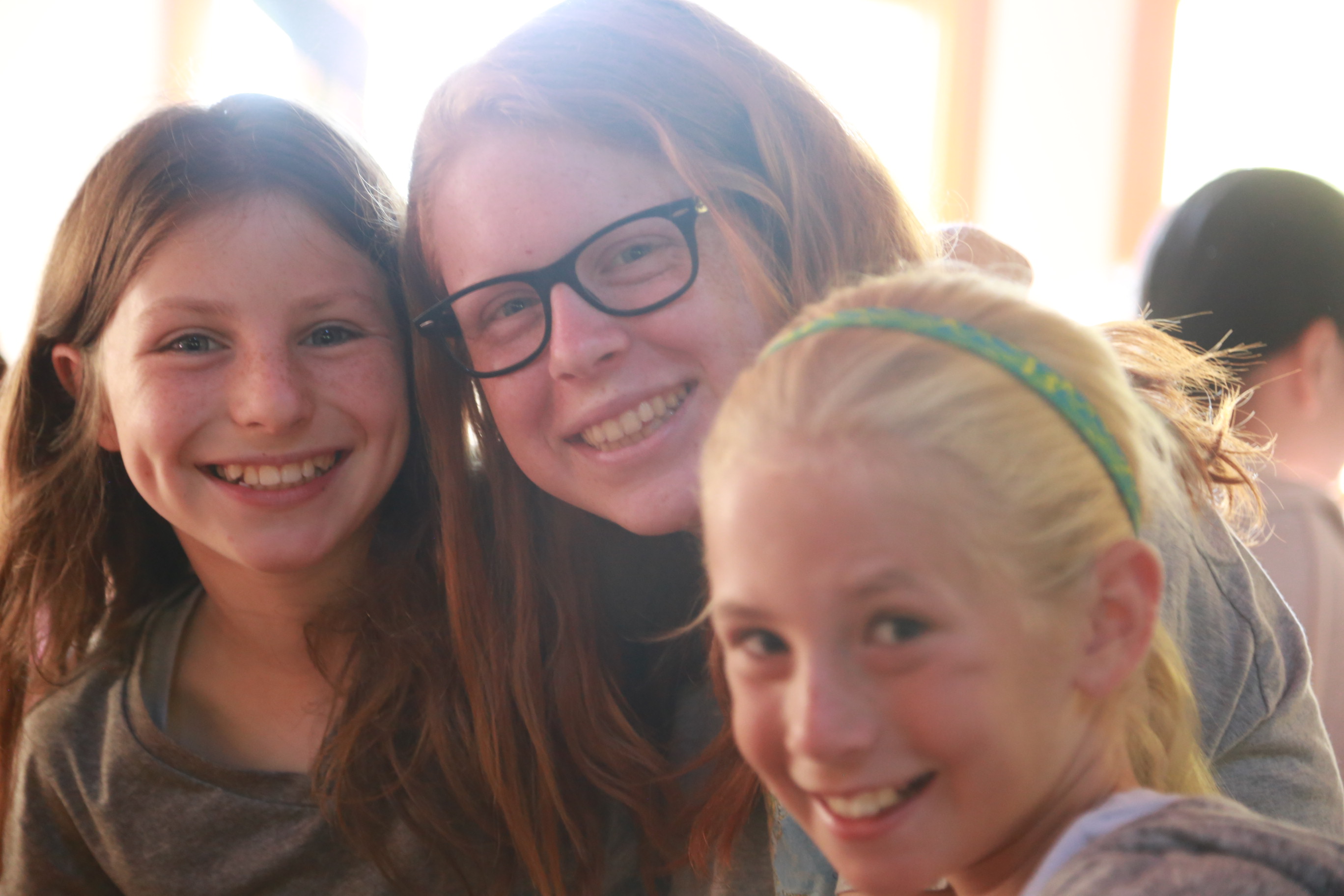 Mindset is everything.
It defines your actions. Your thoughts. Your life.
Adopt the scarcity mindset, and you'll always be scared for what you have. And that you'll never get what you want. Scarcity has a way of holding you hostage and making you a victim.
If you adopt a success mindset, you'll see opportunities for growth everywhere.
So today, I'd like to share with you 9 tips to start developing a success mindset... starting today.
Tip #1: Start your day with positive affirmations
You are what you think.
And you think about what you teach your mind to focus on.
So if you start your day focusing on the positive things about yourself, your mind will grow a habit of thinking about positive things.
Tips #2: Read/listen to inspiring stories each day
Historian Thomas Carlyle once said that: "History is nothing more than a collection of biographies belonging to great people."
And those people had the right mindset.
Spend at least one 30 minutes each day reading their biographies. Listening to videos about them. Listen to their podcasts.
Let some of that awesomeness transfer to YOUR mind.
Tip #3: Accept the fact that perfection is impossible
There's no such thing as being perfect. At anything.
In fact, I’ve found that perfection is the enemy of profit.
And if you constantly try to reach perfection, you'll never be satisfied and happy.
OR, you will never take a task to completion.
Do your best.
More often than not, it'll be enough.
Remember that there is a law of diminishing returns that comes into play.
Tip #4: Meditate
Calm your mind.
Clear your thoughts.
Get to know yourself.
Many great ideas came to life thanks to the process of meditation.
Tip #5: Learn to say NO - and stick to it
Energy, time, and focus drainers are everywhere.
So are many temptations and shiny objects.
If you say YES to any of them, you're taking a step away from your goals.
Learn to say NO. And keep your focus on what you truly want.
Tip #6: Turn failures into lessons
In every failure, there's a lesson.
Why it happened. What did you missed. What can you do to prevent it from happening the next time.
And if you can learn a lesson, then it wasn't a failure at all.
It was a teaching moment.
Like Edison said: "I haven't failed 20,000 times. I found 19,999 ways how NOT to make a light bulb."
Tip #7: Surround yourself with success-oriented people
You are the average of the 5 people you spend most of your time with.
Do you want to get fit and go to the gym 3x a week?
Hang out with people who are fit and go 5x.
Want to be the best at what you do?
Surround yourself with people who are the best at what they do.
Surround yourself with people who'll lift you up.
Tip #8: Get a mentor/coach
Even the most successful people have coaches.
They help them stay focused and on track.
Find a mentor who'll keep you away from distraction and negativity.
Tip #9: Remind yourself of your past successes
Failure can distract you. A lot.
Some negative people can distract you. Significantly.
And that makes it easy to slide away into apathy and negative thinking.
Constantly remind yourself of your past successes.
And keep reminding yourself that you're capable for greatness.
At the Chicago Pet Show last weekend Bubba was a big hit with the locals.
Maybe thats why when campers want to be with animals over the summer they come to
our Animal Summer Camp.

Read the complete Chicago Tribune article
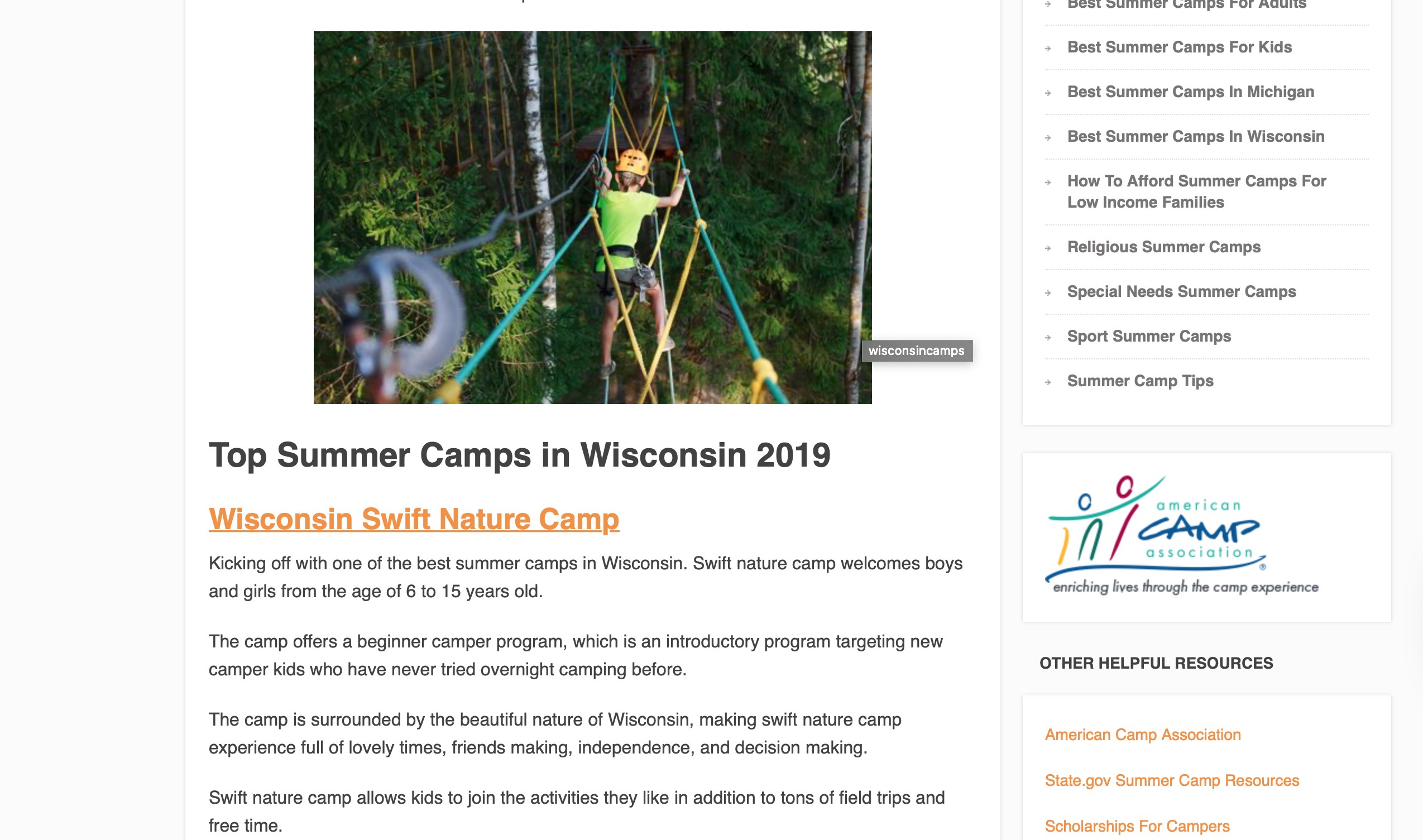
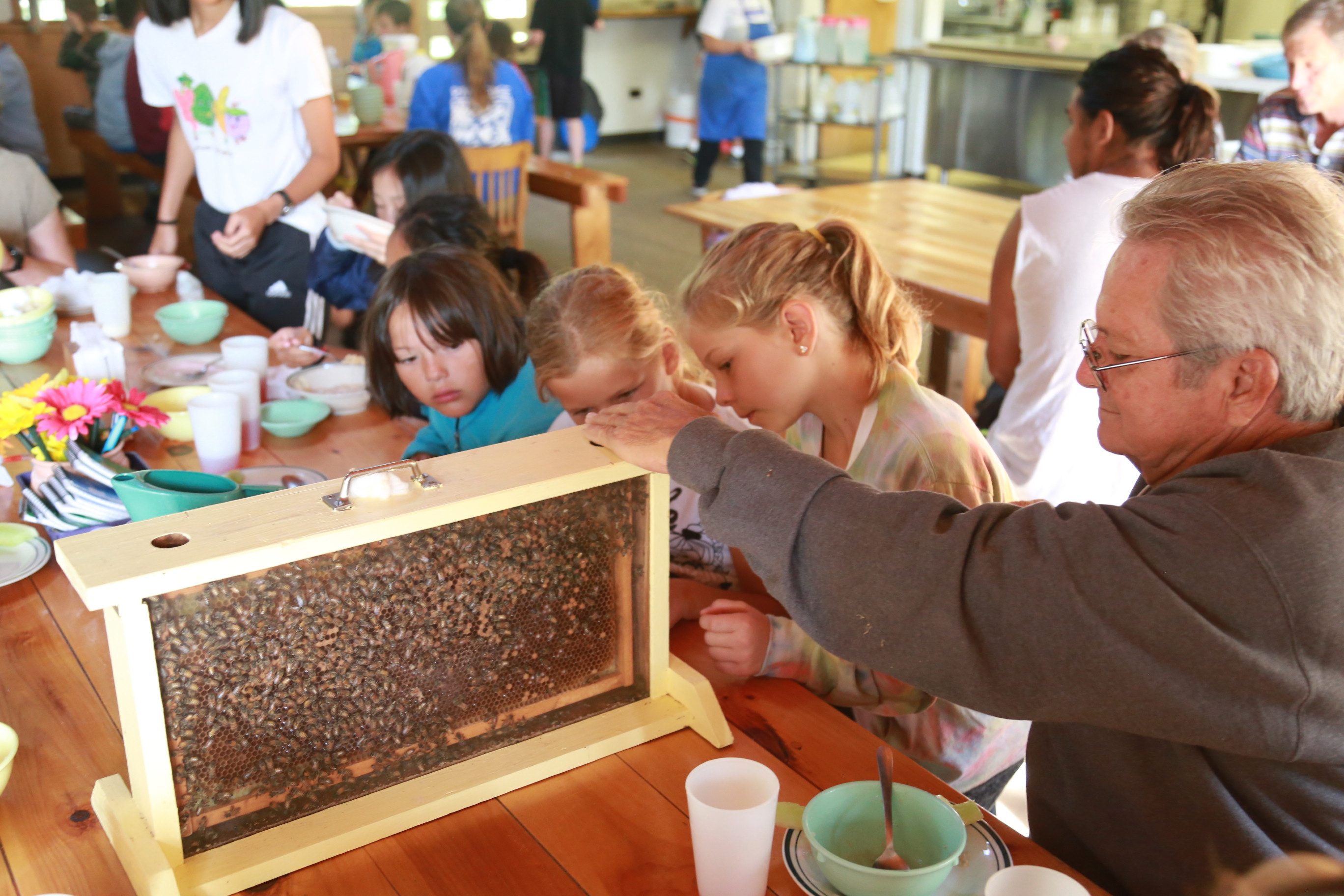 Having been lucky enough to work with kids as much as I have, I can say that most of the generalizations made about modern children are false. They are smarter more respectful than they are given credit for, they can be separated from electronics surprisingly easily, and aren’t as overly sensitive as some claim. Something I can’t disagree with, however, is that for whatever reason they seem to have less resolve. When something goes wrong, there is a lack of perseverance and willingness to step outside of their comfort-zone.
One of the magical things about Overnight Summer Camps is that it remains one of the last places where a kid can develop some grit. Grit is a difficult thing to define, but it’s impossible to miss when you see it. Grit is not just a way to describe a cowboy in the old west, and it is more than just falling off your bike, dusting off your knees, and hopping back on. Grit is being honest with someone even when it hurts. Grit is speaking in public on weak knees. Grit is the ability to overcome. Overnight summer campsare the perfect environment for this to emerge in someone because it provides so many safe and healthy opportunities to overcome our fears.
A lot of children share a basic and understandable fear of the unknown. Whether it’s sailing, starting a fire or going on an overnight camping trip, there are so many activities a kid will try at camp for the first time. There is a good chance they won’t be good at everything, and that’s ok. At Swift Nature Camp, a summer youth camp we aren’t afraid to let our kids fail, because it builds resilience and teaches us three very important things about what happens when life knocks us down. First, we learn that we must find the courage to get back up and try again. Second, we learn that if we have friends and loved ones there to encourage us, conquering our fears becomes a little more feasible. And third, we no longer see failure as the end, but as a steppingstone to accomplishment.
In a world that is changing and growing at a faster and faster rate, having the grit to throw yourself into uncomfortable situations and come out on top is a more useful thing than ever. It eases my mind knowing that summer kids camps can offer this to the children of today and of the future.

|


 Look who I found getting ready for Halloween. Do they need a costume?



- Arts Camp (3)
- Best summer camps (35)
- Camp Counselors (16)
- Campers R Talkin' (6)
- Canoe Camp (7)
- Children's Summer Camp (98)
- Coed Summer Camp (2)
- Eco Friendly Summer Camp (8)
- Environmental Camp (37)
- Girls Summer Camp (5)
- Green summer camps (2)
- Hiking Camp (4)
- Horse Camp (1)
- Kid's Camp (36)
- Minnesota Camp (19)
- Movies (2)
- Nature Camp (57)
- Old Fashioned Summer Camps (12)
- Outdoor Youth Camp (33)
- Playing Outside (13)
- Riflery Camp (3)
- Science Camp (41)
- Science Summer Camp (20)
- Shooting Camp (1)
- SNC REVIEWS (1)
- Sports Camp (4)
- Summer Camp (72)
- Summer Camp Advice (47)
- Summer Camp Discounts (5)
- Summer Camp Savings (10)
- Summer jobs (21)
- Summer Youth Camp (25)
- Swimming Camp (3)
- Teen Camp (12)
- Traditional Summer Camps (11)
- Travel Camp (3)
- Wisconsin Camp (20)
- Parents (88)
- More Camp Information (1)
- Camp News (44)