
Displaying items by tag: Camp Values
Comfort Is Holding Kids Back — Why Kids Need a Little Misogi at Camp
These days, kids are surrounded by comfort. They’ve got screens to keep them busy, parents who step in to fix problems, and food that’s ready at the push of a button. Comfort feels nice in the moment, but here’s the truth: too much of it makes kids soft. It can lead to boredom, complacency, and a fear of trying new things.
At Swift Nature Camp, we see the opposite happen when kids are allowed to stretch themselves. We lean into the idea of Misogi — taking on challenges that feel a little uncomfortable, maybe even hard, because that’s where the magic happens.
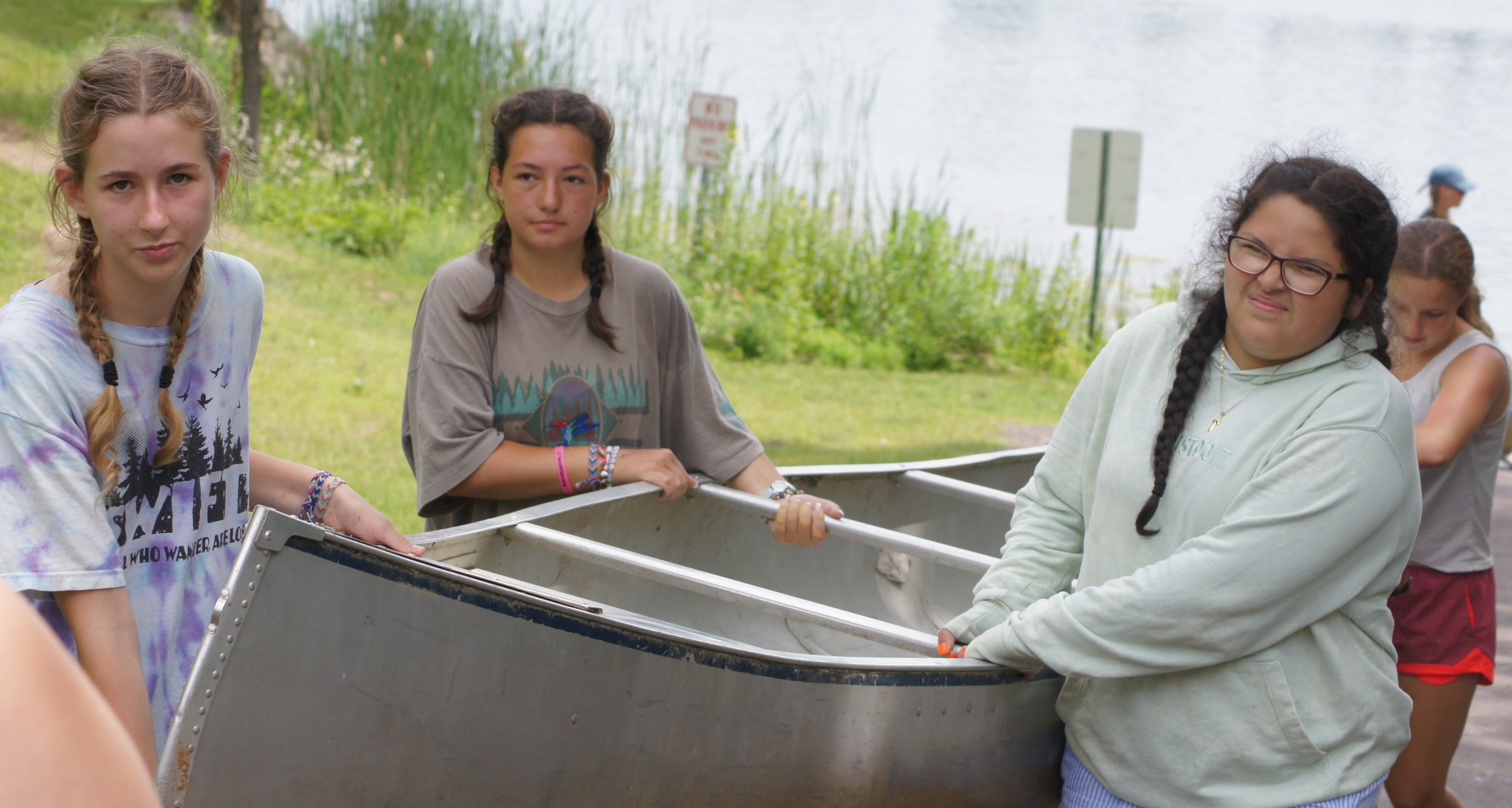
For some campers, a Misogi might be paddling a canoe in the rain, hiking a trail with a heavy pack, or spending that very first night away from home. For others, it’s simply learning how to cook over a fire or push through a little homesickness. These challenges don’t break kids — they build them.
 Why It Matters
-
A tough hike or soggy tent teaches a child that they can handle more than they thought.
-
Without mom or dad nearby, kids discover independence and real confidence.
-
Those moments of discomfort turn into stories, pride, and memories that stick.
-
Most importantly, they learn that life isn’t always comfortable — and that’s okay.
From the Director
Lonnie, who’s been running Swift Nature Camp for over 30 years, puts it this way:
“Our kids need toughening. Life isn’t always comfortable, and camp is the perfect Misogi — a place where kids step into challenges, big and small, and come out stronger. At SNC, children learn resilience, independence, and how to be doers in life. Don’t let comfort trap them. Let camp set them free.”
The Takeaway for Parents
When kids come home from camp, parents often notice big changes: their children are more confident, more willing to help, and more eager to try new things. That’s the kind of growth that lasts far beyond the summer.
At Swift Nature Camp, we’re not afraid to make kids a little uncomfortable — because we know it’s the best way to help them grow.
✨ Comfort is easy. Growth takes work. But the reward is a stronger, happier, more resilient child.

If Anakin Skywalker had gone to Swift Nature Camp, he would not have become Darth Vader.
For a child in pseudo-slavery with a single parent, young Anakin Skywalker was surprisingly well adjusted. His mother had educated him well and clearly raised him in a loving, supportive home. At a young age, he was already displaying the positive qualities all parents hope to see like empathy, kindness, initiative and confidence. Anakin would go on to spend the next ten years being schooled in the Jedi Arts. But had he taken a little time off in the summers to go to camp, he would have built upon the strong fundamentals of his childhood and had the power to resist the dark side.
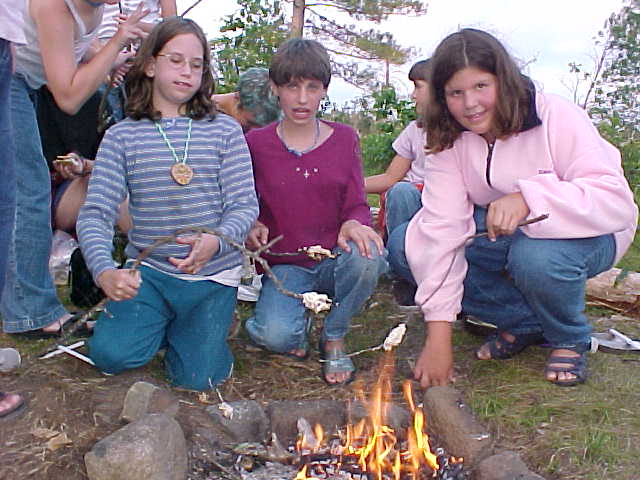
Imagine an alternate universe where every July, Anakin pilots his spaceship to beautiful northern Wisconsin and spends three weeks at Swift Nature Camp. Here at camp, Anakin would spend his time at activities like boating, archery, or the Lego cabin. He might go to the nature center and adopt an exotic Earth animal like a bunny or tarantula to take care of for the summer. He and his friends would go on over-night canoeing trips filled with campfires, s’mores, and stargazing. His time would fly by and he would count down the days until he could return the following summer.
The activities and adventures would give him memories that last a lifetime, but it’s the work sleepaway camps do underneath the surface that would keep him on the light side of the force. The bonds Anakin would develop with his friends would be so uniquely strong and unlike any relationship in his life. In fact, the overall culture of the cabins and camp itself would have him reevaluating the relationships in his life outside of camp. Not only would he start to recognize and eliminate the negative influences in his life, he would have new value and appreciation for the positive ones. Kids who have experienced the supportive, loving, and culturally rich environment of camp are the kind of kids who overcome the pull to the dark side.
Anakin would also experience a place where failure is ok. At Swift Nature Camp, they know the best life lessons are born out of failure rather than success. The resilience to overcome something and the wisdom to lean from mistakes are more valuable than anything Anakin could learn from immediate success.
The things Anakin would take away from his time at that cozy Wisconsin sleepaway camp would be engrained in him forever. Camp would not prevent the tragedies he would endure or the immense challenges he would face, but it would give him the tools to make proactive decisions for himself and those around him, a lesson even the greatest Jedi masters struggle to teach.

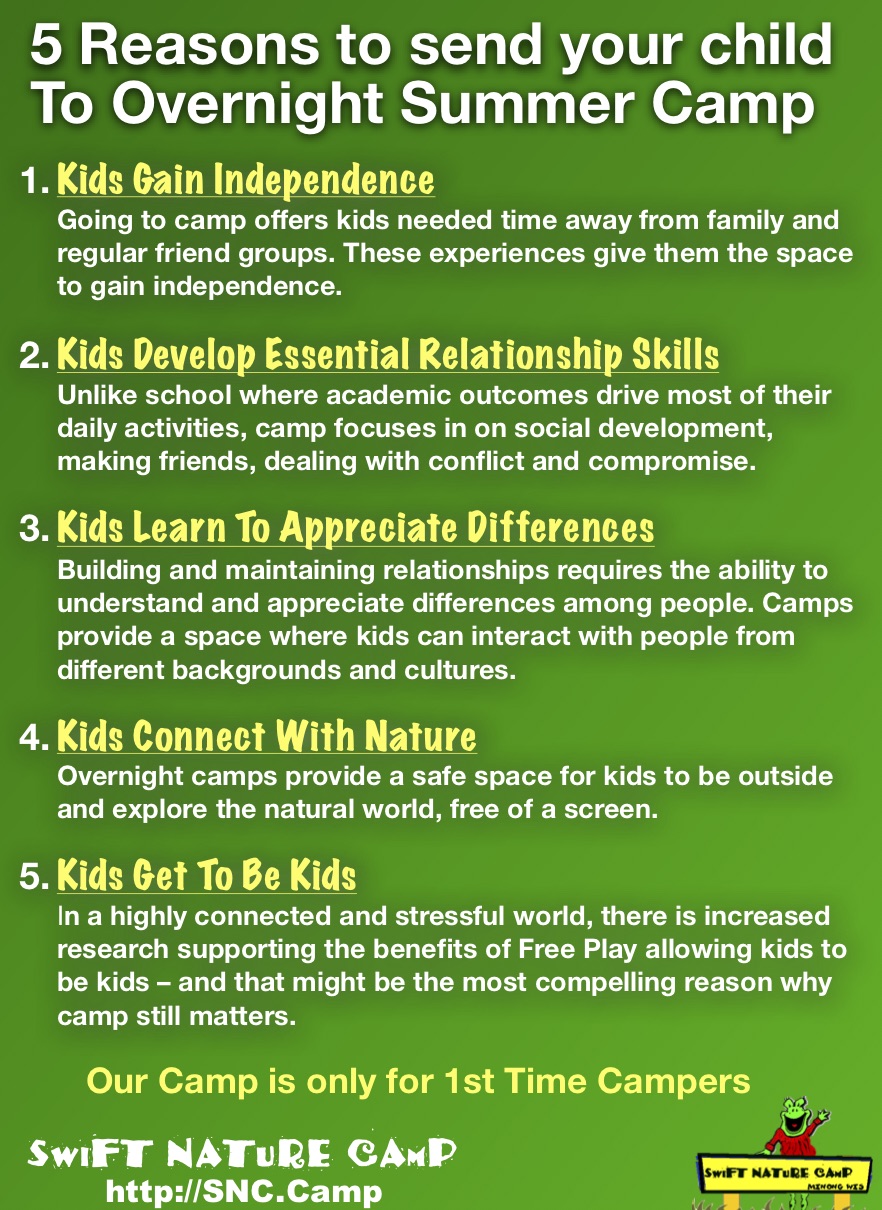
Sleepaway summer camp is filled with fun! Yet as parents we are always looking for a way not to waste a summer...Residential summer camp has this to offer and much more.
- 1) Kids gain independence
Going to camp offers kids needed time away from family and regular friend groups. These experiences give them the space to gain independence. - 2) Kids develop essential relationship skills
Unlike school where academic outcomes drive most of their daily activities, camp focuses in on social development, making friends, dealing with conflict and compromise. - 3) Kids learn to appreciate differences
Building and maintaining relationships requires the ability to understand and appreciate differences among people. Camps provide a space where kids can interact with people from different backgrounds and cultures. - 4) Kids connect with nature
Overnight camps provide a safe space for kids to be outside and explore the natural world, free of a screen. - 5) Kids get to be kids
Want to learn more give me a call 630-654-8036
Lonnie Lorenz
Swift Nature Camp
Director since 1996
Our Campers are Superheroes
We are living in the age of the superhero. Superhero shows are popular on TV networks, it seems like a new superhero movie is released at least once a month. Sometimes the world is a scary place - people want a superhero to rely on to save the day. Superheroes remind us that there is good in humanity. Superheroes give us reasons to dream about what could happen. Superheros show that it is possible to succeed despite hardships.
We know these things all too well, because at Swift, our campers are superheroes. Our campers amaze and impress us every day. Our campers try new things, solve problems, fix things that are broken, and bring little bits of happiness to the lives of everyone around them. I realize that saying all of our campers are superheroes sounds a bit cliche, but let me share what lead me to this conclusion:
Every great superhero knows that “With great power comes great responsibility” and our campers are responsible and learning to be more so each and every day - sometimes in little ways and sometimes in big ways. Our campers learn to do their laundry, fold their clothes, make their beds and clear a table. From far away, these might look like little things, but when a parent is trying to put a younger child to bed, sign 6 different permission slips for school and shovel the drive all at the same time, a child that can clear the table or start a load of laundry can save the day. Campers show us that they are responsible when they work towards earning achievement awards. It’s not responsible to waste resources - superheroes have a calling to use their skills. Getting achievement awards at camp isn’t easy - it requires a lot of work to meet the requirements, but whenever a child brings a completed award form and knows all about their activity, we can see how responsible they are being. They are responsibly making sure that their talents and hard work doesn’t go to waste.
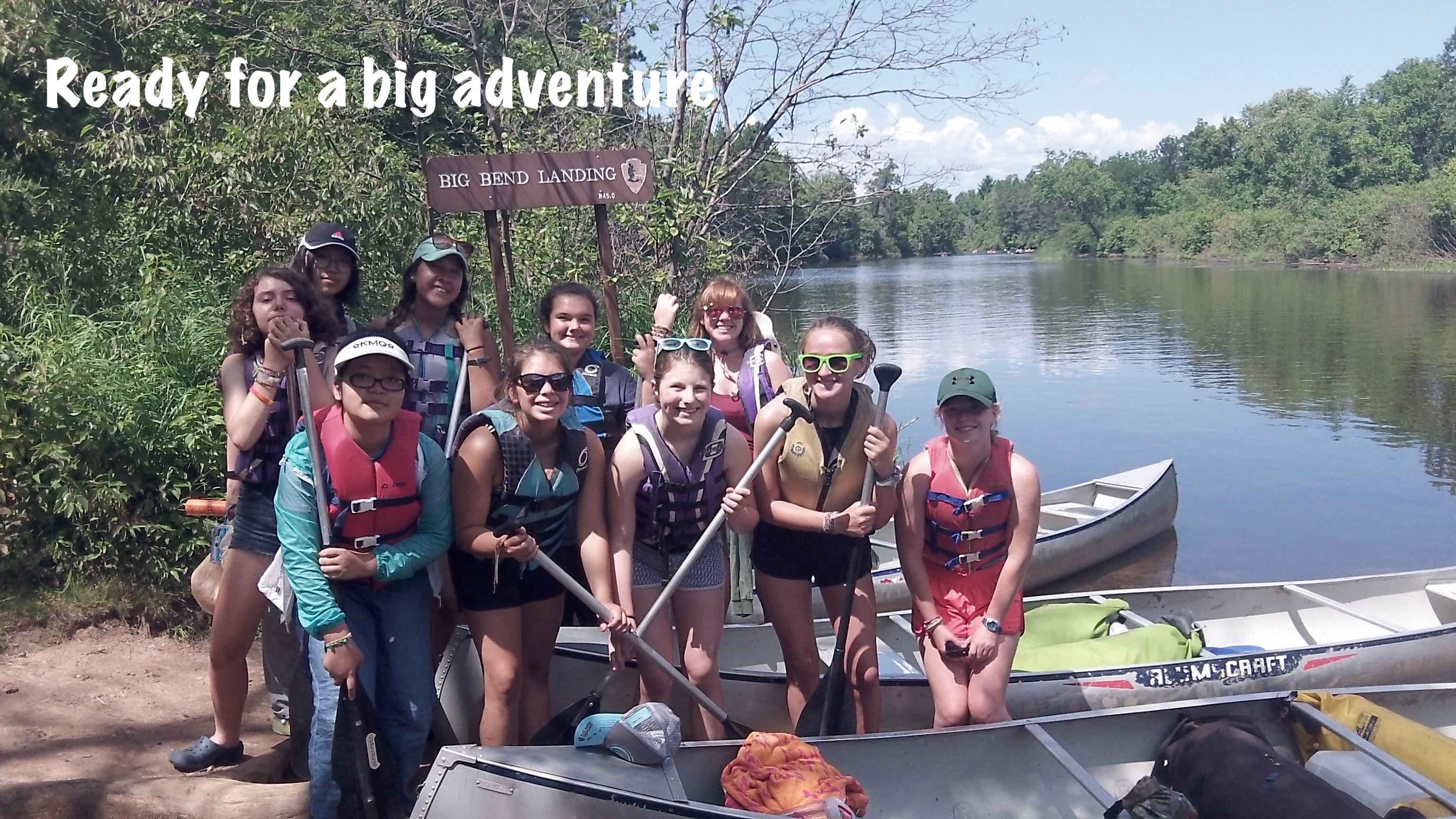
Superheroes are resilient. When a situation goes bad, they figure out another way to save the day. Honestly, one of my favorite superpower to see a camper display is resilience. Witnessing a camper survive a struggle and then try other things to fix it and solve the problem is an absolutely awesome experience. When going out to the pond to explore, a camper usually doesn’t come back with an enormous frog to show everyone on their first try, which can be disappointing. But three days later, that camper has enlisted three more campers and an elaborate strategy for cornering “the big one” and we’ll see them up at the office later that day with a frog that must weigh nearly 3 pounds in a bucket, wanting to share their success and get a picture with their “catch of the day”. A camper on a canoe trip that gets stuck on a rock hiding just below the water’s surface doesn’t give up or shake their canoe paddle at the sky while wailing. (Well, actually, they may do that last part, but only as a joke.) They stow their paddle, get out of the canoe, dislodge it and reboard with the help of their counselors. And if it happens again, they do the same things, as many times as it takes to get to their destination. That resilience keeps them going when things are frustrating. (And it often gets them s’mores in the end.)
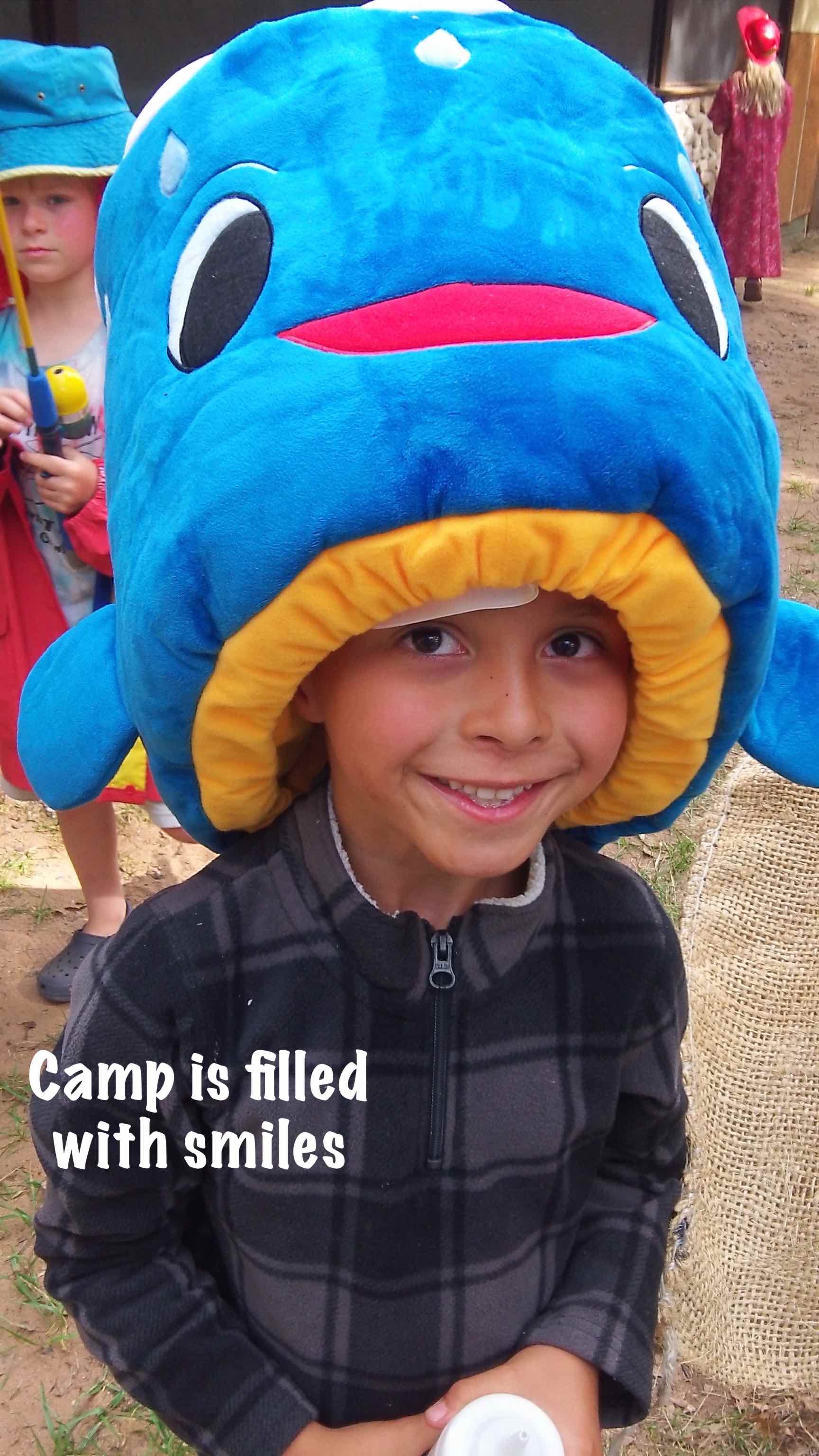 Superheroes are caring - if they didn’t want to ensure the well-being of others, superheroes wouldn’t have anyone to “hero” for. Campers show that they are caring through the sacrifices they make so that a communal living environment can work. Campers console a cabin mate that is homesick or frustrated. Older campers help the younger campers to learn the rules and to succeed at activities and games that they are still learning. Also, the amount of campers that come to the nature center each day to care for the animals there is amazing. They make sure that our camp critters have everything that they need: food, water, the right environment (a clean cage, heating lamps, etc) and of course provide them with lots of attention and love. Our campers are superheroes that care not only for one another, but for all the critters that live with them at camp.
One of the strongest associations we have with superheroes is that they are brave. Our campers are impressively brave every day. For some campers, being brave starts when they get on the bus, or on a plane, or in their parents car to head to a place that they have never been before. New places and people are scary, and it takes a lot of bravery to head to a place that they are unfamiliar with. We see bravery in activities every day. Campers are brave when they participate in team building with their cabin by trusting their new friends to help them succeed. Campers are brave when they hop into the lake for a swim - there are many that have never swam in a natural body of water before. Campers are brave when they try a new activity at arts and crafts even though they are a little hesitant about how it will look when they complete it. Campers are brave when they head out on a camp trip or learn an advanced skill like how to right a capsized canoe.
Superheroes have a “Super-factor”. Some superheroes are great because they have a supernatural power that allows them to triumph over others. But there are also superheroes whose superpower is based on being extra successful at normal skills. These are our type of superheroes - this is one other thing that makes our campers superheroes. One camper might be super at always knowing the right thing to say. This seems kind of basic, but so many kids and people are a little bit awkward when it comes to comforting and encouraging others. These kids are the superheroes that are cheering their cabin mates on during a swimming activity or are sitting next to a cabin mate who is a little upset during quiet time. Another camper could be super at singing and remembering all the words to camp songs - this is the camper that is making the walk to activities or a hiking trip super by helping out the counselors to get the whole group to belt out a song. Another camper might be a super canoeist - they are the ones who can use their strength to keep the boat moving in the right direction while another camper tries out new skills.
They may not wear capes (though sometimes they do) but all of our campers are superheroes, and we see them becoming stronger and stronger each year. What is your child’s “super-factor”?
Directions - View the full report (PDF - 2.8MB)
Between 2001 and 2004 the American Camp Association conducted national research with over 5000 families from 80 ACA-Accredited camps to determine the outcomes of the camp experience as expressed by parents and children.
Parents, camp staff, and children reported significant growth in:
- Self-esteem
- Peer relationships
- Independence
- Adventure and exploration
- Leadership
- Environmental awareness
- Friendship skills
- Values and decisions
- Social comfort
- Spirituality
The findings from this national study indicated that camp is a unique educational institution and a positive force in youth development. The camp experience can benefit children by increasing:
- confidence and self-esteem
- social skills and making friends
- independence and leadership qualities
- willingness to try and adventurousness
- spiritual growth, especially at camps focused on spirituality.
No differences were found based on the camp type (day, resident) or session length.
For more information on the actual instrumentation, please visit the Camper Growth Index site where details about the instrumentation developed and used in the ACA National Outcomes Study are discussed. Free access to the instruments are also described along with the access process.
Almost a month has past since I arrived in Valencia, Venezuela. During the first month, my team and I have become familiar with the title “the gringos,” which is the nickname that most of the citizens here refer to us by. We, “the gringos,” have learned a lot about life in a South American county in recent days. Part of the learning that I have received has been through university students, street merchants, and strangers helping me speak more Spanish everyday.

The apartment complex where my team and I live
Language misunderstandings are numerous here because it is a rarity to run across citizens of Venezuela who have visited or lived in a country where English is the primary language. One exception to that is a 11 year-old boy named Pablo that my team and I met who speaks perfect English. We bumped into Pablo at the apartment complex, Balcones del Norte, where we live.
After talking to him for a few minutes, he offered to introduce us to his mother, Liliana, who is a Engineering professor at Carabobo University (CU). Liliana received her master’s degree in United States at a University in Florida and she lived there for four years with her family. God was good because one of the challenges that my team and I have right now is building connections with faculty members at the university where we work, which just so happens to be Carabobo University.
Connecting with faculty members is a small part of the work that my team and I have been doing at the university lately. We need faculty support in order to help our organization, Vida Estudiantil (the name for Campus Crusade for Christ in Venezuela), grow. We hope Liliana will help us make better connections to student leaders on campus, help us find a suitable spot for our weekly meeting, and help us gain exposure at CU.
My team and I have been working on other tasks in order for our organization to have a strong presence at the university. We have a group of students that lead the Vida Estudiantil Bible Studies, assist in the event planning for our organization, and help get other students on their campus connected with Christ. This group is called the servant team. My team and the servant team have engaged in two meetings so far and it is thrilling to see the dreams that they have for our organization and their university.

Us with Vida Estudiantil students after giving out questionnaires
My team and I have also been sharing Christ with other students we met on campus. We gave out hundreds of questionnaires to students on campus last week. The questionnaires asked if they were interested in attending a bible study, coming to English Club, or getting to know God more. The reception we received from the students was fantastic, around two hundred students filled out questionnaires and we met many new students who are interested in getting involved in Vida Estudiantil.
While giving out the questionnaires were able to inform students of the first English Club that we were having, which we held last week. On the day of English Club, it was incredible to see all the students who attended and were eager to learn English from fluent speakers. Outside of English Club, I have been put in charge, along with Emily from my team, to plan the different outings that we are taking to the local orphanage. We are are planning on going there as soon as we touch base with the pastor that runs the orphanage.

The University where I work at with Campus Crusade for Christ
All in all, working at la Universidad de Carababo (Carabobo University) is quite different then most colleges in the the United States. One of the days that we were on campus medical students were protesting at the university. As the result of the protest, the road that we needed to use to leave via bus was blocked so we had to find an alternative exit route. This sort of demonstration is typical at the university and we need to flexible to the many curve balls that are thrown our way.
Some of those curve balls have been very interesting, I have realized there are many differences (some humorous) between the way people live here in Venezuela and the way that Americans from the United States live. I would like to share with you some of those differences.
Differences Between the United States and Venezuela

The alligator at the University's pond
1. United States: You might find some ducks, geese, or–if you are lucky– a frog at a university’s local lagoon. Venezuela: The University of Carabobo has live alligators in their pond that seem quite hungry.
2. United States: University students have to pay for all of their tuition unless they have financial aid or scholarships. Venezuela: With their socialistic government, students do not have to pay for going to a state university.
3. United States: Playgrounds exist in local communities for children to play at. Venezuela: Venezuela has what my team and I affectionately call “bro gyms,” which are outside work-out centers for people to do push-ups, pull-ups, and crunches.
4. United States: If there is a stray dog in the United States, usually within hours the dog is picked up by animal control. Venezuela: There are stray dogs everywhere, especially at the university, stray dogs linger around students and eat the food they leave behind.
5. United States: In restrooms there is always hand soap by the sinks. Venezuela: NO bathroom has hand soap and Purrell is your best friend.
6. United States: When people want to draw your attention to something they point with their fingers. Venezuela: Venezuelans use their lips to point by kissing in the direction of what they want you to look at.

One of the students, Douglas, me and his mother at our welcome party
7. United States: Gasoline prices fluctuate but they are almost always over $2.00 a gallon. Venezuela: It costs less then a dollar to fill up an entire tank of gas (this is because Venezuela is the third biggest exporter of oil, it is humorous because here it costs more for drinking water than gasoline).
8. United States: Most college-aged students do not attend a social get-together during the night with their parents. Venezuela: College-aged students will bring their parents to parties and other social functions, this is completely normal and in some cases the parent shows up at the social occasion before their child gets there.
Despite all these differences, Venezuela has a lot to fall in love with. When the seven members of my team cram into a bus that has people hanging outside the door, loud Reggaeton music blasting inside, and the bus assertively weaving through three lanes of traffic it hard not to feel alive. Also the people here are so warm and overjoyed to have us here, we experience a lot of warmth and affection. Within talking to someone for a half an hour, the other person will treat you like they have known you for your entire life. Living life in Venezuela, it is near impossible to escape the feeling like you are part of one big family.
Summer camp can be a bridge to the world over which a child can carry the seeds of attributes already planted at home and in school. The right summer camp can be the ideal first step away from home and family, because a good summer camp is still a safe environment for learning independence. Summer camp is a place for fun and the joy and passion of growth free from the stress of modern fascination for achievement...
Camp is a respite from the technology that can rule a child’s life and distract from human attributes rather than being a tool to implement them. A camper can discover and develop attributes like these over the course of every summer and have a great deal of fun doing so.
Affirmation: Sometimes one simple word of affirmation can change an entire life. Recognition from outside can turn into recognition from the inside. also known as confidence.
Art: Everyone who wants to create… can. The world just needs more people who want to, and a child who is free from the pressure of competitive achievement is free to be creative.
Challenge: Encourage a child to dream big dreams. In turn, they will accomplish more than they thought possible… and probably even more than you thought possible.
Compassion/Justice: Life isn’t fair. It never will be – there are just too many variables. But when a wrong has been committed or a playing field can be leveled, we want our children to be active in helping to level it.
Contentment: The need for more material things can be contagious. Therefore, one of the greatest gifts we can give children is a genuinely content appreciation for with what they have… leaving them to find out who they are.
Curiosity: Children need a safe place outside the home to ask questions about who, what, where, how, why, and why not. “Stop asking so many questions” are words that need never be heard.
Determination: One of the greatest determining factors of success is the exercise of will. Children flourish when they are given independent opportunities to learn how to find the source of determination within themselves and exercise that determination.
Discipline: Discipline is really a form of concentration learned from the ground up, in arenas that include appropriate behaviors, how to get along with others, how to get results, and how to achieve dreams. Properly encouraged, self discipline can come to be developed into an self sustaining habit.
Encouragement: Words are powerful. They can create or they can destroy. The simple words that a counselor or mentor might choose to speak can offer encouragement and create positive thoughts for a child to build from.
Finding Beauty: Beauty surrounds us. A natural environment can inspire our children find beauty in everything they see and in everyone they meet there.
Generosity: The experience of generosity is a great way for a child to learn it. Generosity is a consistent quality of heart regardless of whether the medium that reflects it is time, energy or material things.
Honesty/Integrity: Children who learn the value and importance of honesty at a young age have a far greater opportunity to become honest adults. And honest adults who deal truthfully with others tend to feel better about themselves, enjoy their lives more, and sleep better at night.
Hope: Hope means knowing that things will get better and improve and believing it. Hope is the source of strength, endurance, and resolve. And in the desperately difficult times of life, it calls us to press onward.
Imagination: If we’ve learned anything in recent years, it’s that life is changing faster and faster with every passing day. The world of tomorrow will look nothing like the world today. And the people with imagination are the ones not just living it, they are creating it.
Intentionality: This word means the habit of pausing to find the intent behind each of the ongoing choices that comprise our lives. It is the moment of reflection toward one’s own source: slow down, consider who you are, your environment, where you are going and how to get there.
Lifelong Learning: A passion for learning is different from just studying to earn a grade or please teachers. It begins in the home and school but can be splendidly expanded at summer camp. A camper has fun being safely exposed, asking questions, analyzing the answers that expose more and having more fun doing it all again. In other words, learn to love learning itself.
Meals Together: Meals together provide an unparalleled opportunity for relationships to grow, the likes of which can not be found anywhere else.
Nature: Children who learn to appreciate the world around them take care of the world around them.
Opportunity: Kids need opportunities to experience new things so they can find out what they enjoy and what they are good at.
Optimism: Pessimists don’t change the world. Optimists do.
Pride: Celebrate the little things in life. After all, it is the little accomplishments in life that become the big accomplishments. Pride in the process is as important as pride in the results.
Room to make mistakes: Kids are kids. That’s what makes them so much fun… and so desperately in need of our patience. We need to give them room to experiment, explore, and make mistakes early, when consequences are so much less severe.
Self-Esteem: People who learn to value themselves are more likely to have self-confidence, self-esteem, and self-worth. As a result, they are more likely to become adults who respect their own values and stick to them… even when no one else does.
Sense of Humor: We need to provoke laughter with children and laugh with them everyday… for our sake and theirs.
Spirituality: Faith elevates our view of the universe, our world, and our lives. We would be wise to instill into our kids that they are more than just flesh and blood taking up space. They are also made of mind, heart, soul, and will. And decisions in their life should be based on more than just what everyone else with flesh and blood is doing.
Stability: A stable environment becomes the foundation on which children build the rest of their lives. Just as they need to know their place in the family, children need an opportunity to learn how to make their place amongst their peers. Children benefit from having a safe place to learn how stability is made and maintained outside the home.
Time: Time is the only real currency.Children can learn to believe to respect the value of time long before they come to realize how quickly it can pass.
Undivided Attention: There is no substitute for undivided attention, whether it comes from a parent, a teacher, a mentor, or a camp counselor.
Uniqueness: What makes us different is what makes us special. Uniqueness should not be hidden. It should be proudly displayed for the world to see, appreciate, and enjoy.
A Welcoming Place: To know that you are always welcome in a place is among the sweetest and most life-giving assurances in the world.
Along with lifelong friendships, the recognition and development of these attributes is the lasting gift of a child’s experience at summer camp. A kids summer camp is the most fun possible way a child gets to experience what it is to be human.
Summer camp is usually thought of in terms of all the traditional activities and facilities that come to our mind, and those elements are indeed part of what makes the experience memorable. But the true essence of the experience of summer camp is human connection. The attributes in this article are qualities that are rediscovered and expanded by interaction with counselors, staff and other campers in a natural setting. The best summer camps are carefully staffed and creatively programmed by directors with this concept in mind. As one director put it, “Our hope is to give the world better people one camper at a time.”
Affirmation: Sometimes one simple word of affirmation can change an entire life. Recognition from outside can turn into recognition from the inside. also known as confidence.
Art: Everyone who wants to create… can. The world just needs more people who want to, and a child who is free from the pressure of competitive achievement is free to be creative.
Challenge: Encourage a child to dream big dreams. In turn, they will accomplish more than they thought possible… and probably even more than you thought possible.
Compassion/Justice: Life isn’t fair. It never will be – there are just too many variables. But when a wrong has been committed or a playing field can be leveled, we want our children to be active in helping to level it.
Contentment: The need for more material things can be contagious. Therefore, one of the greatest gifts we can give children is a genuinely content appreciation for with what they have… leaving them to find out who they are.
Curiosity: Children need a safe place outside the home to ask questions about who, what, where, how, why, and why not. “Stop asking so many questions” are words that need never be heard.
Determination: One of the greatest determining factors of success is the exercise of will. Children flourish when they are given independent opportunities to learn how to find the source of determination within themselves and exercise that determination.
Discipline: Discipline is really a form of concentration learned from the ground up, in arenas that include appropriate behaviors, how to get along with others, how to get results, and how to achieve dreams. Properly encouraged, self discipline can come to be developed into an self sustaining habit.
Encouragement: Words are powerful. They can create or they can destroy. The simple words that a counselor or mentor might choose to speak can offer encouragement and create positive thoughts for a child to build from.
Finding Beauty: Beauty surrounds us. A natural environment can inspire our children find beauty in everything they see and in everyone they meet there.
Generosity: The experience of generosity is a great way for a child to learn it. Generosity is a consistent quality of heart regardless of whether the medium that reflects it is time, energy or material things.
Honesty/Integrity: Children who learn the value and importance of honesty at a young age have a far greater opportunity to become honest adults. And honest adults who deal truthfully with others tend to feel better about themselves, enjoy their lives more, and sleep better at night.
Hope: Hope means knowing that things will get better and improve and believing it. Hope is the source of strength, endurance, and resolve. And in the desperately difficult times of life, it calls us to press onward.
Imagination: If we’ve learned anything in recent years, it’s that life is changing faster and faster with every passing day. The world of tomorrow will look nothing like the world today. And the people with imagination are the ones not just living it, they are creating it.
Intentionality: This word means the habit of pausing to find the intent behind each of the ongoing choices that comprise our lives. It is the moment of reflection toward one’s own source: slow down, consider who you are, your environment, where you are going and how to get there.
Lifelong Learning: A passion for learning is different from just studying to earn a grade or please teachers. It begins in the home and school but can be splendidly expanded at summer camp. A camper has fun being safely exposed, asking questions, analyzing the answers that expose more and having more fun doing it all again. In other words, learn to love learning itself.
Meals Together: Meals together provide an unparalleled opportunity for relationships to grow, the likes of which can not be found anywhere else.
Nature: Children who learn to appreciate the world around them take care of the world around them.
Opportunity: Kids need opportunities to experience new things so they can find out what they enjoy and what they are good at.
Optimism: Pessimists don’t change the world. Optimists do.
Pride: Celebrate the little things in life. After all, it is the little accomplishments in life that become the big accomplishments. Pride in the process is as important as pride in the results.
Room to make mistakes: Kids are kids. That’s what makes them so much fun… and so desperately in need of our patience. We need to give them room to experiment, explore, and make mistakes early, when consequences are so much less severe.
Self-Esteem: People who learn to value themselves are more likely to have self-confidence, self-esteem, and self-worth. As a result, they are more likely to become adults who respect their own values and stick to them… even when no one else does.
Sense of Humor: We need to provoke laughter with children and laugh with them everyday… for our sake and theirs.
Spirituality: Faith elevates our view of the universe, our world, and our lives. We would be wise to instill into our kids that they are more than just flesh and blood taking up space. They are also made of mind, heart, soul, and will. And decisions in their life should be based on more than just what everyone else with flesh and blood is doing.
Stability: A stable environment becomes the foundation on which children build the rest of their lives. Just as they need to know their place in the family, children need an opportunity to learn how to make their place amongst their peers. Children benefit from having a safe place to learn how stability is made and maintained outside the home.
Time: Time is the only real currency.Children can learn to believe to respect the value of time long before they come to realize how quickly it can pass.
Undivided Attention: There is no substitute for undivided attention, whether it comes from a parent, a teacher, a mentor, or a camp counselor.
Uniqueness: What makes us different is what makes us special. Uniqueness should not be hidden. It should be proudly displayed for the world to see, appreciate, and enjoy.
A Welcoming Place: To know that you are always welcome in a place is among the sweetest and most life-giving assurances in the world.
Along with lifelong friendships, the recognition and development of these attributes is the lasting gift of a child’s experience at summer camp. A kids summer camp is the most fun possible way a child gets to experience what it is to be human.
Summer camp is usually thought of in terms of all the traditional activities and facilities that come to our mind, and those elements are indeed part of what makes the experience memorable. But the true essence of the experience of summer camp is human connection. The attributes in this article are qualities that are rediscovered and expanded by interaction with counselors, staff and other campers in a natural setting. The best summer camps are carefully staffed and creatively programmed by directors with this concept in mind. As one director put it, “Our hope is to give the world better people one camper at a time.”
Summer camp can be a bridge to the world over which a child can carry the seeds of attributes already planted at home and in school. The right summer camp can be the ideal first step away from home and family, because a good summer camp is still a safe environment for learning independence. Summer camp is a place for fun and the joy and passion of growth free from the stress of modern fascination for achievement. Camp is a respite from the technology that can rule a child’s life and distract from human attributes rather than being a tool to implement them. A camper can discover and develop attributes like these over the course of every summer and have a great deal of fun doing so.........
Affirmation: Sometimes one simple word of affirmation can change an entire life. Recognition from outside can turn into recognition from the inside. also known as confidence.
Art: Everyone who wants to create… can. The world just needs more people who want to, and a child who is free from the pressure of competitive achievement is free to be creative.
Challenge: Encourage a child to dream big dreams. In turn, they will accomplish more than they thought possible… and probably even more than you thought possible.
Compassion/Justice: Life isn’t fair. It never will be – there are just too many variables. But when a wrong has been committed or a playing field can be leveled, we want our children to be active in helping to level it.
Contentment: The need for more material things can be contagious. Therefore, one of the greatest gifts we can give children is a genuinely content appreciation for with what they have… leaving them to find out who they are.
Curiosity: Children need a safe place outside the home to ask questions about who, what, where, how, why, and why not. “Stop asking so many questions” are words that need never be heard.
Determination: One of the greatest determining factors of success is the exercise of will. Children flourish when they are given independent opportunities to learn how to find the source of determination within themselves and exercise that determination.
Discipline: Discipline is really a form of concentration learned from the ground up, in arenas that include appropriate behaviors, how to get along with others, how to get results, and how to achieve dreams. Properly encouraged, self discipline can come to be developed into an self sustaining habit.
Encouragement: Words are powerful. They can create or they can destroy. The simple words that a counselor or mentor might choose to speak can offer encouragement and create positive thoughts for a child to build from.
Finding Beauty: Beauty surrounds us. A natural environment can inspire our children find beauty in everything they see and in everyone they meet there.
Generosity: The experience of generosity is a great way for a child to learn it. Generosity is a consistent quality of heart regardless of whether the medium that reflects it is time, energy or material things.
Honesty/Integrity: Children who learn the value and importance of honesty at a young age have a far greater opportunity to become honest adults. And honest adults who deal truthfully with others tend to feel better about themselves, enjoy their lives more, and sleep better at night.
Hope: Hope means knowing that things will get better and improve and believing it. Hope is the source of strength, endurance, and resolve. And in the desperately difficult times of life, it calls us to press onward.
Imagination: If we’ve learned anything in recent years, it’s that life is changing faster and faster with every passing day. The world of tomorrow will look nothing like the world today. And the people with imagination are the ones not just living it, they are creating it.
Intentionality: This word means the habit of pausing to find the intent behind each of the ongoing choices that comprise our lives. It is the moment of reflection toward one’s own source: slow down, consider who you are, your environment, where you are going and how to get there.
Lifelong Learning: A passion for learning is different from just studying to earn a grade or please teachers. It begins in the home and school but can be splendidly expanded at summer camp. A camper has fun being safely exposed, asking questions, analyzing the answers that expose more and having more fun doing it all again. In other words, learn to love learning itself.
Meals Together: Meals together provide an unparalleled opportunity for relationships to grow, the likes of which can not be found anywhere else.
Nature: Children who learn to appreciate the world around them take care of the world around them.
Opportunity: Kids need opportunities to experience new things so they can find out what they enjoy and what they are good at.
Optimism: Pessimists don’t change the world. Optimists do.
Pride: Celebrate the little things in life. After all, it is the little accomplishments in life that become the big accomplishments. Pride in the process is as important as pride in the results.
Room to make mistakes: Kids are kids. That’s what makes them so much fun… and so desperately in need of our patience. We need to give them room to experiment, explore, and make mistakes early, when consequences are so much less severe.
Self-Esteem: People who learn to value themselves are more likely to have self-confidence, self-esteem, and self-worth. As a result, they are more likely to become adults who respect their own values and stick to them… even when no one else does.
Sense of Humor: We need to provoke laughter with children and laugh with them everyday… for our sake and theirs.
Spirituality: Faith elevates our view of the universe, our world, and our lives. We would be wise to instill into our kids that they are more than just flesh and blood taking up space. They are also made of mind, heart, soul, and will. And decisions in their life should be based on more than just what everyone else with flesh and blood is doing.
Stability: A stable environment becomes the foundation on which children build the rest of their lives. Just as they need to know their place in the family, children need an opportunity to learn how to make their place amongst their peers. Children benefit from having a safe place to learn how stability is made and maintained outside the home.
Time: Time is the only real currency.Children can learn to believe to respect the value of time long before they come to realize how quickly it can pass.
Undivided Attention: There is no substitute for undivided attention, whether it comes from a parent, a teacher, a mentor, or a camp counselor.
Uniqueness: What makes us different is what makes us special. Uniqueness should not be hidden. It should be proudly displayed for the world to see, appreciate, and enjoy.
A Welcoming Place: To know that you are always welcome in a place is among the sweetest and most life-giving assurances in the world.
Along with lifelong friendships, the recognition and development of these attributes is the lasting gift of a child’s experience at summer camp. A summer at camp is the most fun possible way a child gets to experience what it is to be human.
Summer camp is usually thought of in terms of all the traditional activities and facilities that come to our mind, and those elements are indeed part of what makes the experience memorable. But the true essence of the experience of summer camp is human connection. The attributes in this article are qualities that are rediscovered and expanded by interaction with counselors, staff and other campers in a natural setting. The best summer camps are carefully staffed and creatively programmed by directors with this concept in mind. As one director put it, “Our hope is to give the world better people one camper at a time.”
Summer camp selection is no easy task. If you and your child have talked and decided that he or she is ready for summer camp, there is a place to begin. A free website called www.summercampadvice.com has been prepared by experienced directors of a long established camp to help you choose the best one for your child. This article will offer you some basic guidelines that can help you in making a well-informed decision.
Choose a camp taking into account the requirements and desires of your youngster beyond your own preferences. Include your child in the search process and have an ongoing discussion about the important things that you and your kid want from joining the camp. A child is going to want to do what he or she thinks will be fun, and that really IS important. As a parent do you want your child to enhance particular skills, learn independence in a safe environment, or develop self-confidence? Together, take note of his or her special interests and find out if your child has any intellectual, social or physical issues that require consideration. Summer camp populations may be all girls, all boys, brother and sister or co-ed. At co-ed summer camps, boys and girls do participate in many supervised camp activities together. They share use of amenities such as dining halls and swimming and waterfront areas. Brother and sister camps provide structured opportunities for social interaction but most of the time facilities and activities are separate for girls and boys. Private summer camps are more costly than nonprofit summer camps, but price does not always equate with the quality of a young camper's experience at that camp. It is best to anticipate extra expenses involved in choosing and going to summer camp such as extra canoe trip or activity charges and the cost of your visit to the camp. When you contact a camp you are considering, the director should be happy to give you complete information about the true cost of that camp. Keep in mind as you discuss this or other topics that the attitude of a camp's directors and staff will have more bearing on your child's experience than the cost. Usually the duration of a camp can range from one to eight weeks. Consider your child's willingness to be away from home, for days or overnight. Ongoing discussion with your child will be helpful, especially for balancing fear with anticipation and excitement. A first time camper will often face an adjustment and that may be temporarily challenging for some kids. Find out how the camp accommodates and deals with a first time camper's homesickness and the initial adjustment to camp life. A conversation about this area with a camp's director can also show you if the attitude so important to a good experience of camp is going to be there when your child arrives. Your child may want to join a camp with friends. Although it is natural for a youngster to want to go to camp with his or her friends, there are instances when there is value in time away from accustomed peer pressures. When it comes to learning independence and developing self confidence there can be an advantage to starting fresh in an unfamiliar environment. Children usually have restrictions and achievement pressures when in school and at home, but at summer camp they are free to try different things with new friends. With the help of knowledgeable staff and counselors in the camp, campers of all ages can safely find out what works best and what doesn't in terms of interpersonal relationships. You can find out more about how to bring these opportunities to your child's life by visiting www.summercampadvice.com.





A Wisconsin DNR Property leased by Swift Nature Camp